



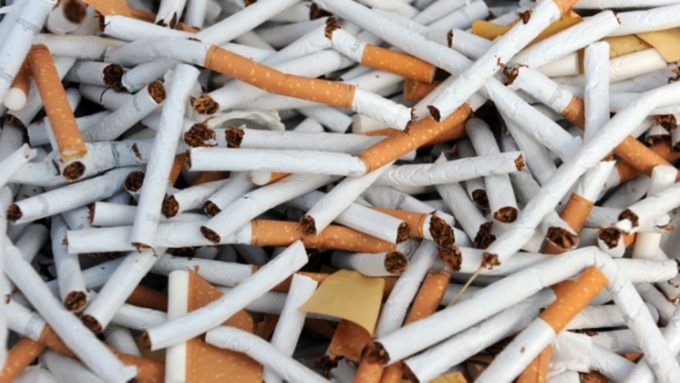
Shopkeepers given 200 hours unpaid work after fake tobacco worth £80,500 on sale
Two shopkeepers from Nottingham have each been given a 12 week sentence, suspended for 24 months, 200 hours unpaid work and ordered to pay £711 in costs. This comes following the two men admitting having more than £80,000 worth of counterfeit and illicit tobacco for sale in their premises.
Lear MoreOver £80,000 Worth of Fake Tobacco on Sale in Two Nottingham Shops
Adnan Mohamed (29) of Dryden Street, Nottingham, who runs the Biedronka shop on Berridge Road, and Bahman Karimi,(25), of Norton Street, Nottingham, who runs Alma on Radford Road, both pleaded guilty to possessing and offering for sale illicit and counterfeit cigarettes. Karimi also admitted selling counterfeit tobacco to an underage person following a test purchase conducted by Nottingham City Trading Standards.
Lear More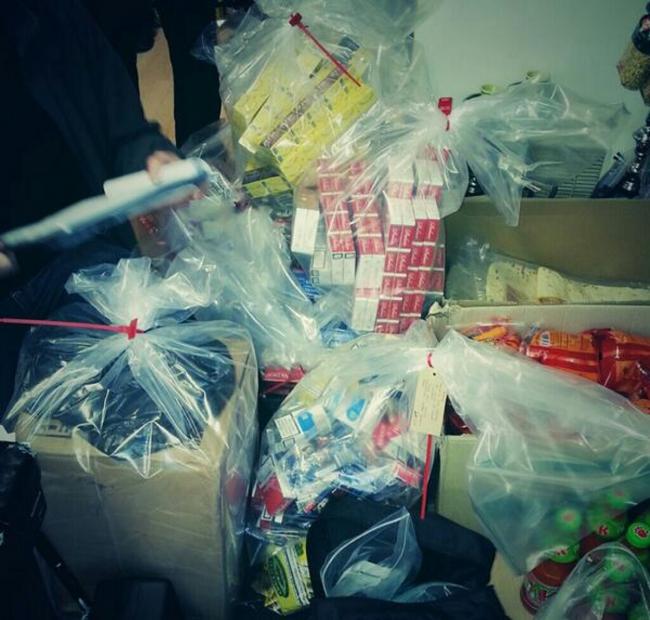
One in ten cigarettes contraband, say Southampton researchers at BAT
A report commissioned by tobacco firms including BAT, still one of Southampton’s largest employers, has found that 16 per cent of cigarettes consumed in this country are either contraband or counterfeit (C&C).
As an earlier Royal United Services Institute (RUSI) report On Tap stated, organised criminals see the illegal tobacco trade as “low-risk, high-reward crime”. The overall volume of illegal cigarettes consumed in the UK during 2015 increased by more than six per cent to 6.7 billion cigarettes – the second highest increase in the EU according to the report compiled by accountancy firm KPMG.
If these black market cigarettes had been consumed legally it would have raised an additional tax revenue of 2.8 billion Euros (£2.2 billion) in the UK. Across the EU the loss of tax revenue amounted to 1.3 billion Euros.
http://www.dailyecho.co.uk/news/14681057.One_in_ten_cigarettes_contraband__say_city_researchers/
Lear More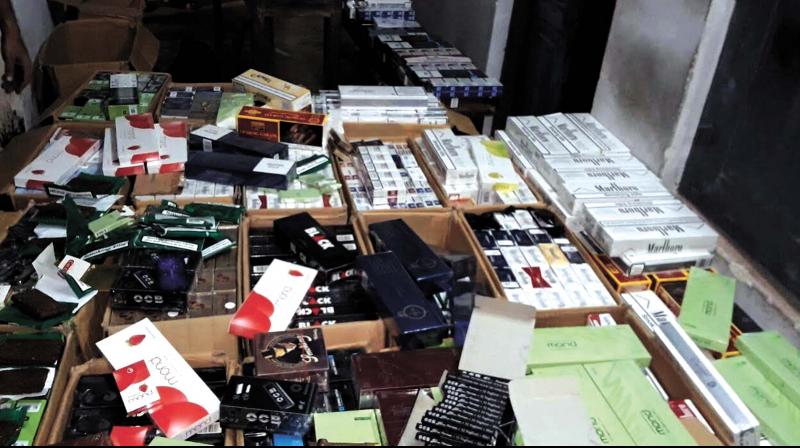
Kochi police seizes tobacco products worth Rs 40laks.
In a major haul the Kochi City police on Saturday seized smuggled cigars and foreign cigarettes from Thevara worth Rs 40 lakh. The police seized the goods from a godown in Mattummal Junction near Thevara in the wee hours of Saturday. Police arrested Ayoob of Kuttiyadi, Kozhikode, who rented out the go-down. Shadow Police wing of the city police conducted a surprise ride at the godown after a tip off.
Pursuant to the arrest Kochi city police commissioner M.P. Dinesh has ordered a detailed probe into the illicit import of tobacco products. “We will take effective steps to curb the illicit sale of tobacco products in the city,” he said. The police seized cigar and cigarettes made in Germany, Scotland, France and other countries. Apart from tobacco products the cops also found cigar pipes, rolling papers and other related products.
Stop veggie smuggling.
CORDILLERA farmers were given assurance by the Department of Agriculture that entry of illegal vegetables in the country will stop.
DA Secretary Manny Piñol during a recent farmers meeting in La Trinidad, Benguet assured farmers the government is closely monitoring the entry of illegal vegetables in the country which competes with locally grown produce and eats up farmers’ earning. armers in Benguet and the rest of the Cordilleras have been complaining that low-priced vegetables from China, Taiwan and Singapore are being dumped in the country.
http://www.sunstar.com.ph/baguio/local-news/2016/08/13/stop-veggie-smuggling-491063
Lear More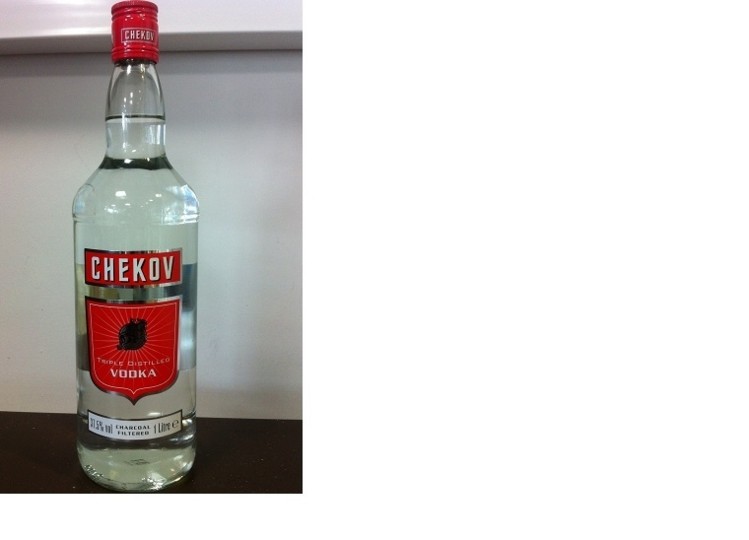
Counterfeit vodka finding leads to suspended sentence
Ian Baldwin of Grangeway pleaded guilty to 21 offences relating to counterfeit and illicit tobacco seized from his taxi, his personal vehicle and a storage unit last December. He was sentenced to six months and twelve weeks custody and made to pay 1000 euros in costs and 80 euros to victim’s surcharge.
A total of 26 litres of counterfeit vodka and 108 bottles of illicit wine ( not marked with traceability information) as well as illicit hand rolling tobacco and cigarettes had a street value of over 1700 euros.
2PNP generals tagged in smuggling of sugar, agri products
Three boats loaded with smuggled white sugar were intercepted in Zamboanga City and are now in the custody of the Bureau of Customs, Agriculture Secretary Emmanuel Piñol said.
Based on initial reports from Customs, one of the vessels, M/B SittiAini was loaded with 584 bags of refined sugar.
The two other vessels are still under inspection and authorities have yet to come up with an estimated value of the seized sugar.
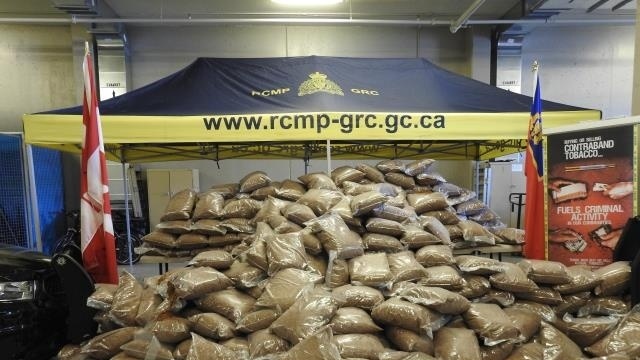
Canadian police seize more than 3,300 pounds of illegal tobacco
The Cornwall Regional Task Force (CRTF) seized more than 3,300 pounds of tobacco in one week. In two separate instances, the CRTF saw suspects trying to smuggle tobacco in Canadian waters. The CRTF saw a boat Aug. 4 on the St. Lawrence River near the Ontario-Quebec Border. The CRTF said the boat seemed be coming form the Lancaster area. When the boat docked near Rivière-Beaudette, Quebec, the CRTF saw two people unloading what appeared to be garbage bags of fine-cut tobacco.
http://www.wptz.com/news/canadian-police-seize-more-than-3300-pounds-of-illegal-tobacco/41171054
Lear More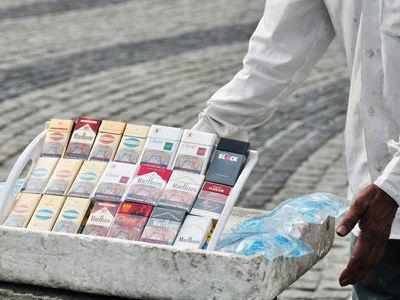
Rs 5L worth foreign cigarettes seized
Excise sleuths on Thursday seized foreign cigarettes and banned tobacco products worth around Rs 5 lakh. The seized items include slim cigarettes, primarily used by women, and chewing products containing tobacco.
The excise has registered 10 cases in connection with the raid.
The raid was conducted by various units of excise at Ernakulam north, Ernakulam south, Palarivattom and Manappattiparambu.
Lear More
Extraordinary attack on Sydney tobacco executive
It’s been revealed an Australian tobacco executive has been bashed and stabbed in attempted kidnap. It’s believed crime syndicates may have started to hit back at efforts to combat the illicit tobacco trade.
The executive was attacked at his Sydney home and told to get in a car. But he fought back.