



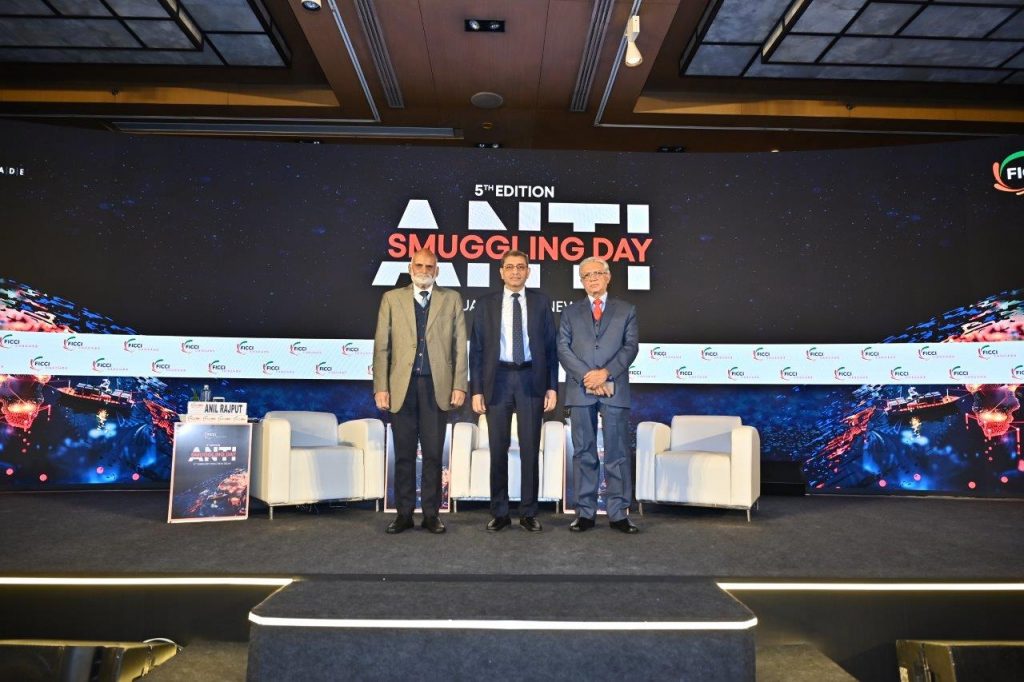
FICCI CASCADE organised its 5th edition of Anti- Smuggling Day on 11th February 2026 at Hotel Le-Meridien, New Delhi. The conference provided a platform to the stakeholders to engage in meaningful discussions on the evolving nature of smuggling and its impact on economies and societies.
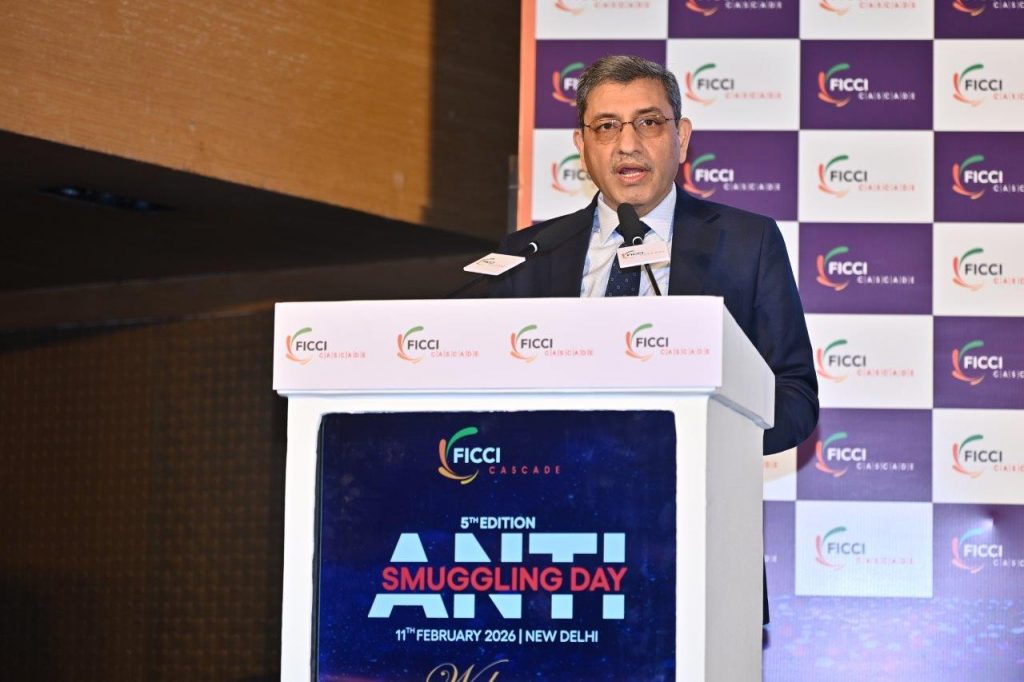
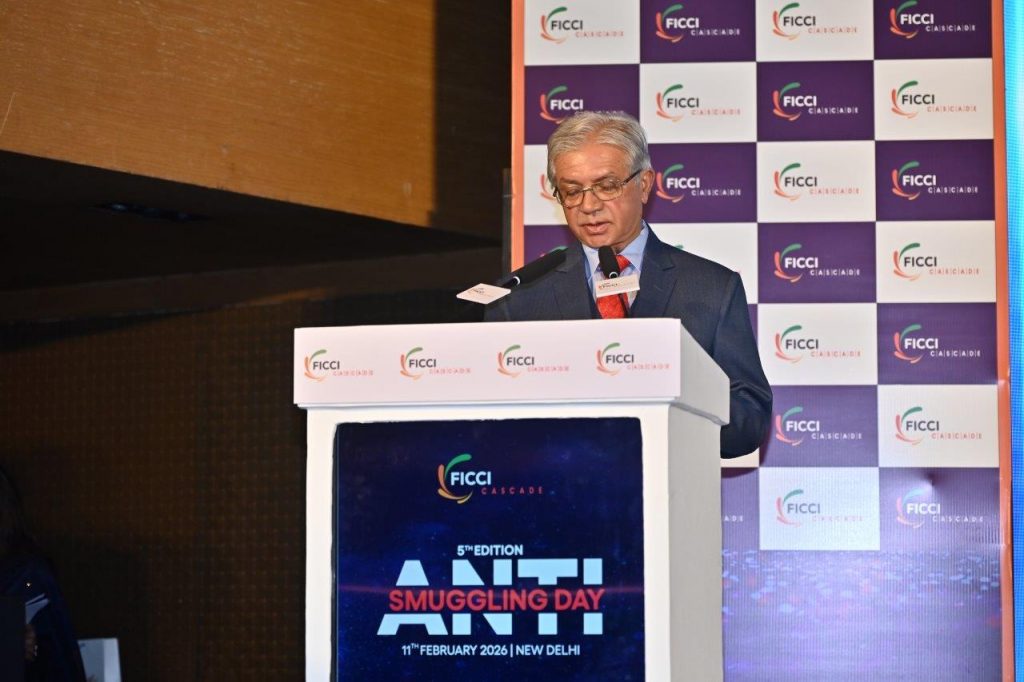
Addressing the 5th Edition of Anti-Smuggling Day, the Chief Guest, Mr. Mohan Kumar Singh, Member – Compliance Management, Central Board of Indirect Taxes and Customs, underscored the growing complexity and scale of illicit trade in the country. He observed that smuggling has transformed into a highly organised, technology-driven economic crime with serious implications for national security, economic stability, and public safety.
Highlighting the robust enforcement measures undertaken by Customs formations and the Directorate of Revenue Intelligence (DRI), Mr. Singh apprised that enforcement efforts have intensified significantly in recent years. In the first three quarters of the current financial year alone, authorities have seized approximately 500 kilograms of gold, nearly 150 million sticks of illicit cigarettes, over 20 metric tonnes of red sanders, around 120 kilograms of cocaine, about 50 kilograms of heroin, nearly 350 kilograms of amphetamines, and close to 3,700 kilograms of hydroponic cannabis at airports. Additionally, more than 100 cases of wildlife trafficking have been detected, along with seizures involving dual-use goods, arms, ammunition, drones, and fake Indian currency notes, he added.
Mr. Singh further highlighted that India has significantly strengthened its international enforcement architecture, with 42 Mutual Customs Cooperation Agreements (MoUs) already signed and 21 more under negotiation with major trading partners. He underscored the need to shift from isolated, event-based seizures to a more holistic, network-centric approach aimed at dismantling entire smuggling syndicates. Stressing the importance of systemic intervention, he remarked that enforcement agencies must target financial flows, logistics enablers and international linkages that sustain these illicit networks.
In his welcome address, Mr. Anil Rajput, Chairman, FICCI CASCADE, accentuated that combating smuggling cannot be the responsibility of a single institution or a country alone. He mentioned that strong partnerships among compliant nations are vital to promote legitimate trade, facilitate intelligence sharing, and ensure decisive action against illicit operators. He further informed that just as UN-designated observances such as the International Day against Drug Abuse and Illicit Trafficking have successfully mobilised global attention, the recognition of an International Anti-Smuggling Day by the United Nations would serve as a powerful platform to strengthen international cooperation and collectively address the root causes and far-reaching consequences of smuggling.
Mr. Rajput mentioned that as we observe the 5th Anti-Smuggling Day, let us remind ourselves that this fight is ultimately about choices—policy choices, enforcement choices, business choices and consumer choices. If we choose legality over convenience, integrity over dishonesty and cooperation over complacency, we can ensure that smuggling finds no space to take root. While choices matter, they must translate into action. Mr. Rajput emphasized that right action at the right time by policymakers is essential, as any delay risks allowing illicit activity to deepen, leading to consequences that can be catastrophic for the economy and the nation.
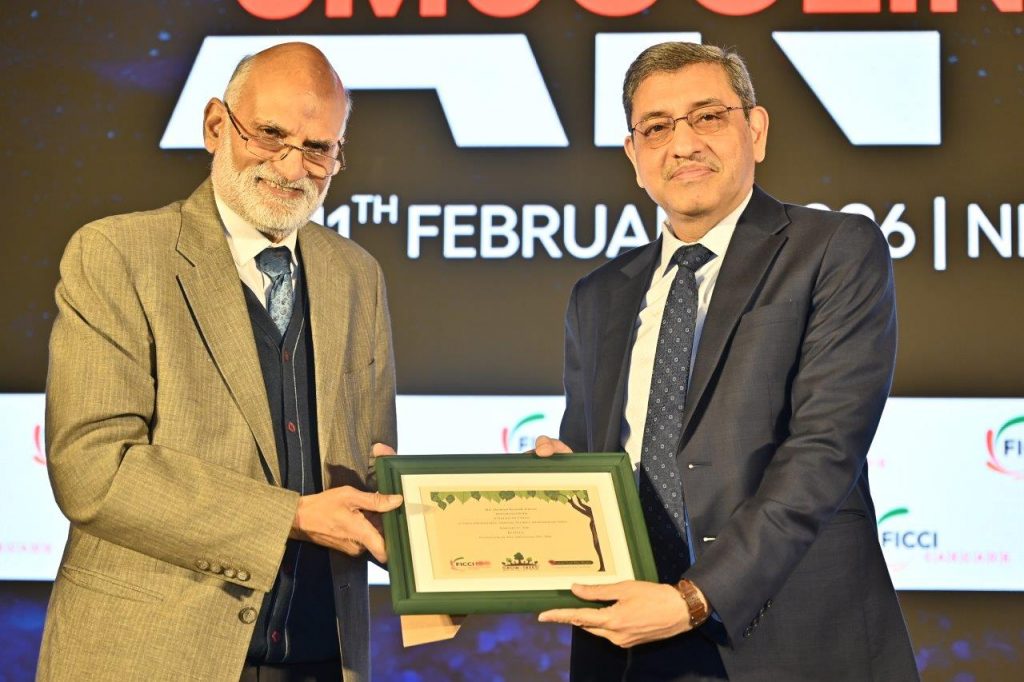
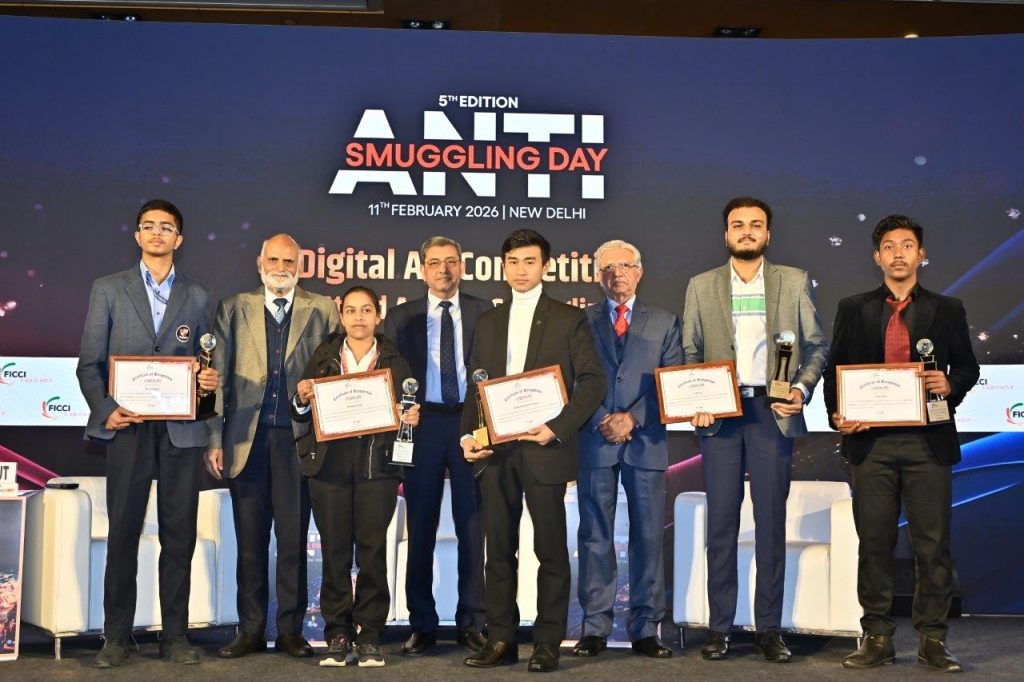
The awards to the winners of the Digital Art Competition on the theme ‘Stand Against Smuggling’ were presented by Mr. M K Singh. The competition received an overwhelming response, with over 10,000 entries submitted from diverse regions of the country, reflecting widespread public engagement on the issue.
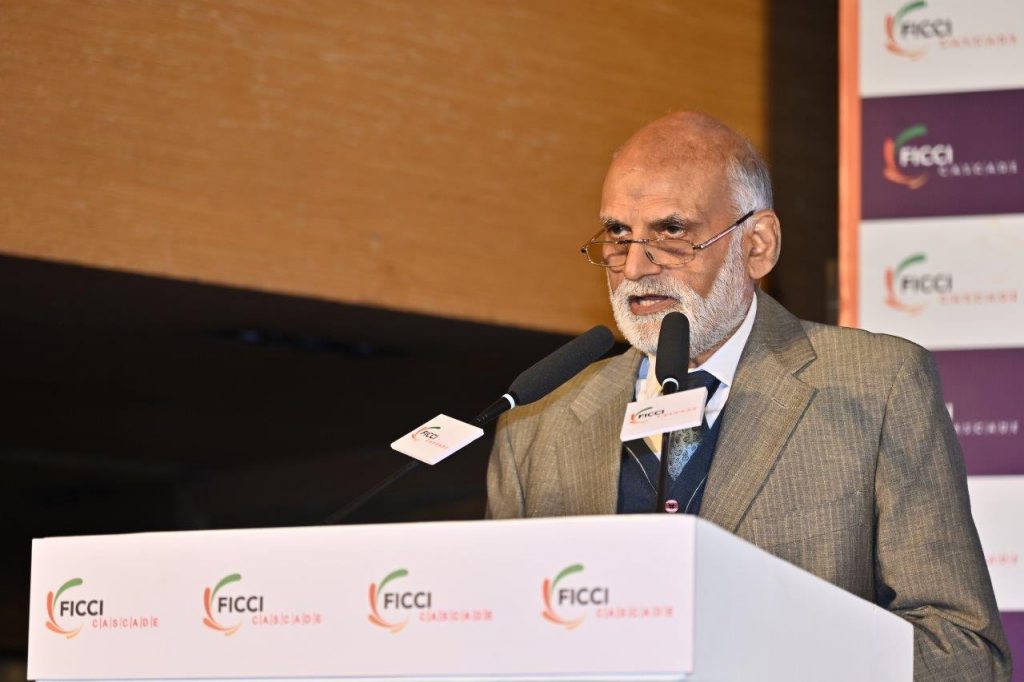
Mr. P C Jha, IRS (Retd.), Advisor, FICCI CASCADE & Former Chairman, Central Board of Indirect Taxes and Customs (CBIC), in his vote of thanks, remarked that Anti-Smuggling Day is “not a symbolic observance but a structural necessity.” He opined that smuggling today is sustained by organised transnational networks, misuse of legitimate trade channels and digital platforms that enable rapid movement of illicit goods and proceeds. Mr. Jha mentioned that enforcement must not remain limited to intercepting consignments, it must disrupt networks, deter repeat offenders and dismantle the financial structures that sustain illicit trade.
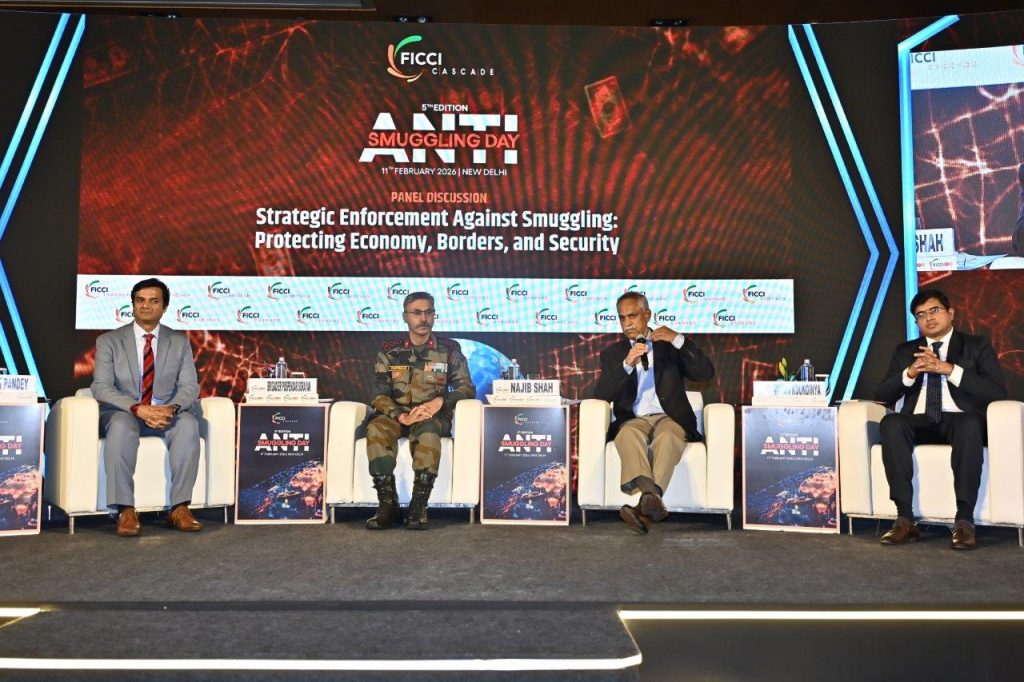
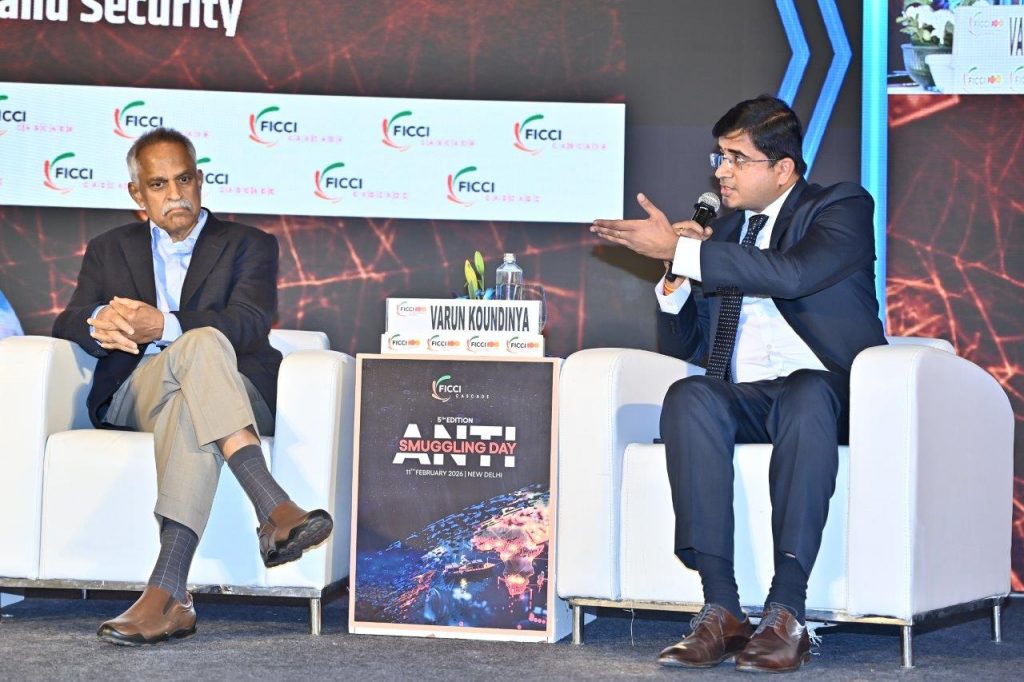
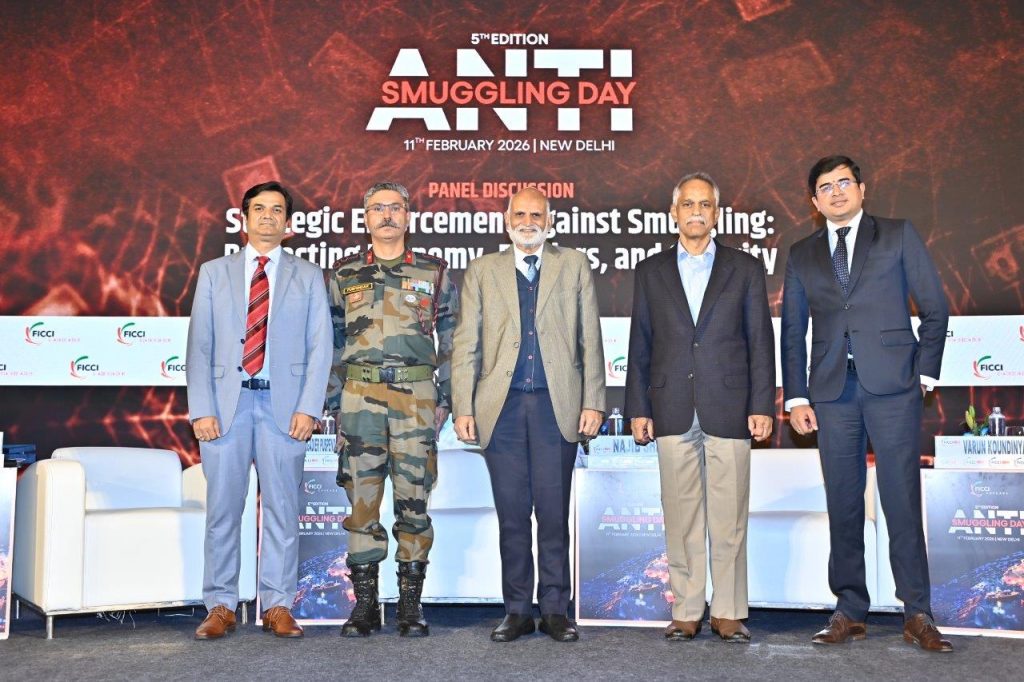
The inaugural session was followed by a panel discussion on “Strategic Enforcement Against Smuggling: Protecting Economy, Borders, and Security,” which brought together senior officers from leading enforcement agencies. The discussion focused on emerging trends in smuggling, evolving concealment techniques, and the growing use of technology by illicit networks.
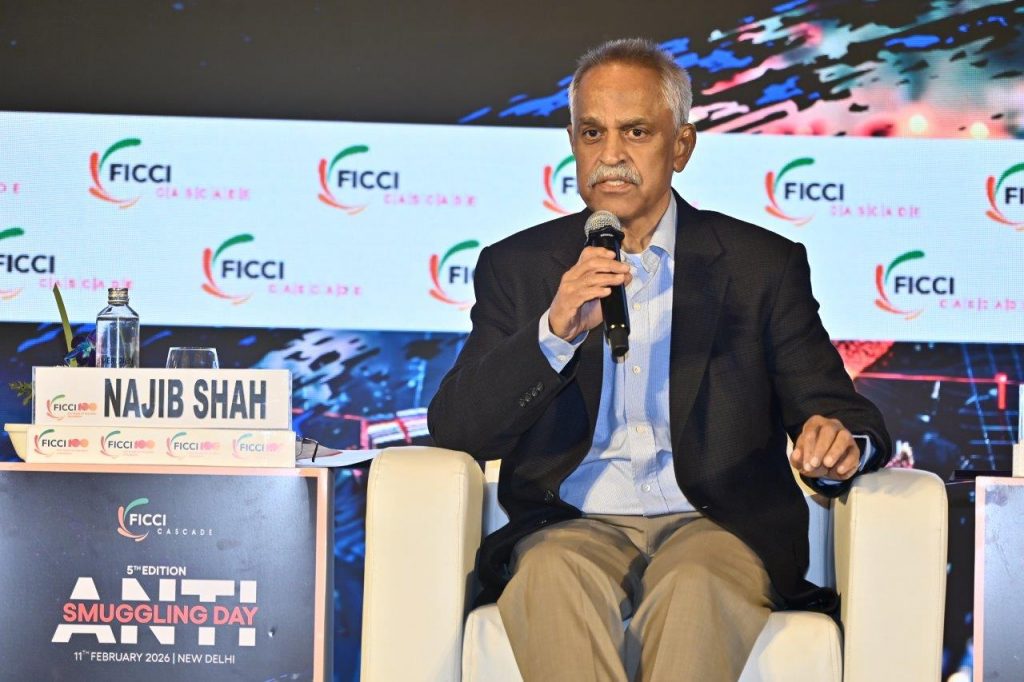
Mr. Najib Shah, Former Chairman, Central Board of Indirect Taxes and Customs and Think Tank Member, FICCI CASCADE, stated that smuggling has evolved into an increasingly complex and sophisticated challenge. He asserted that it endangers not only government revenue but also national security and the broader economic stability of the country. Highlighting the multifaceted nature of the threat, he underscored that no single agency could tackle it in isolation. The significant losses in revenue, employment, and security, he noted, call for robust coordination, seamless information-sharing, and concerted action among all enforcement agencies.
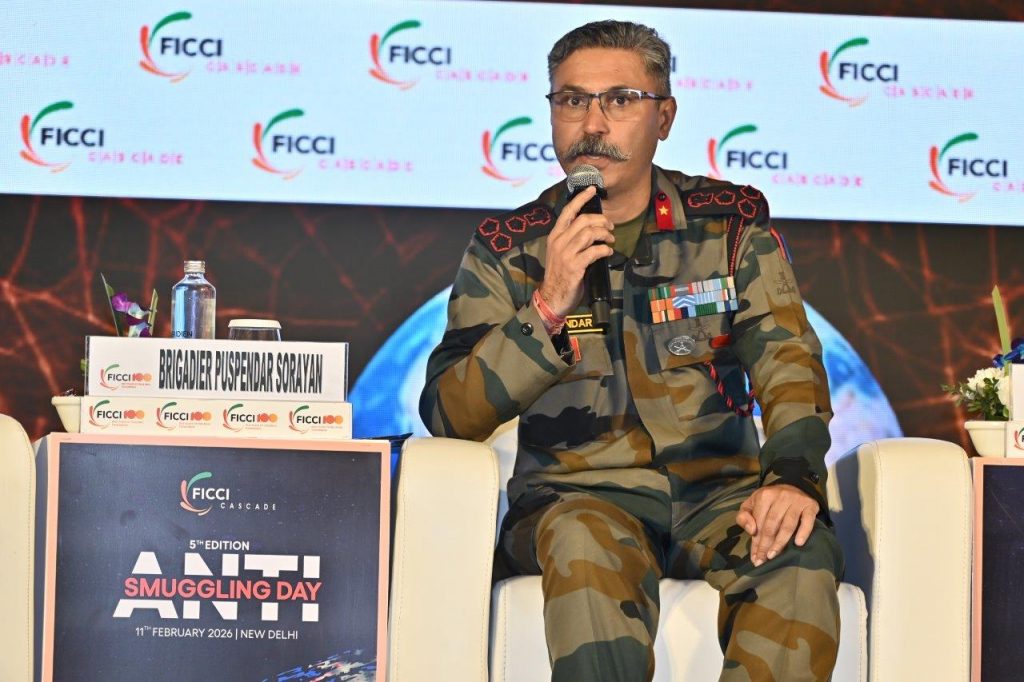
Brigadier Puspendar Sorayan, Commander 23 Sector, Assam Rifles, stated that while technology serves as a valuable force multiplier, human intelligence continues to remain the cornerstone of effective anti-smuggling operations. He shed light on the fact that it is actionable intelligence, combined with precise and coordinated execution, that ultimately dismantles smuggling networks. Sharing his perspective on border management, he observed that effective border control demands a unified and collaborative approach to curb the menace of smuggling. He further noted that strong cooperation from both Central and State agencies, particularly in intelligence sharing and seamless on-ground coordination has significantly strengthened enforcement efforts.
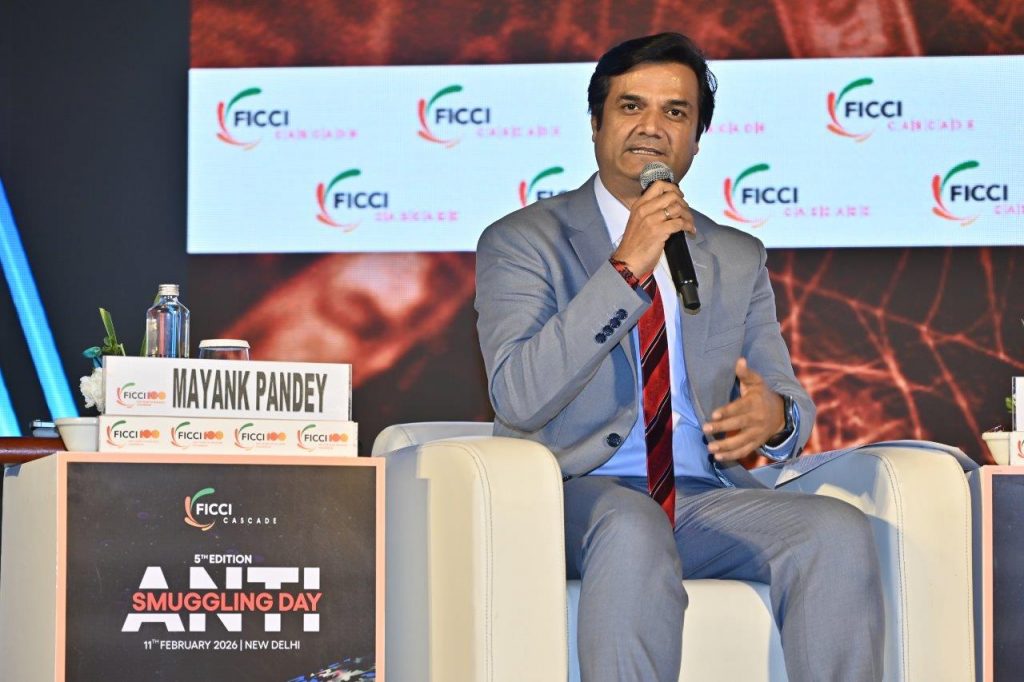
Mr. Mayank Pandey, Additional Director, Guwahati Zonal Office-II, Enforcement Directorate, underscored the significant transformation in inter-agency coordination in tackling smuggling. He mentioned that earlier, information had to pass through multiple layers of the ‘proper channel, often resulting in delays of weeks before any concrete action could be taken. In contrast, recent years have witnessed the establishment of direct and seamless cooperation among agencies, enabling real-time intelligence sharing and swifter action against smuggling networks. He further underlined that today, every enforcement agency maintains a dedicated open-source intelligence team to monitor and curb smuggling activities.
Mr. Varun Koundinya, Additional Director, Delhi Zonal Unit, Directorate of Revenue Intelligence affirmed that credible, ground-based intelligence remains the decisive factor in building strong and sustainable cases against smuggling networks. He drew attention to the importance of direct engagement and real-time interaction among officers of different agencies, rather than relying solely on files moving through hierarchical channels.
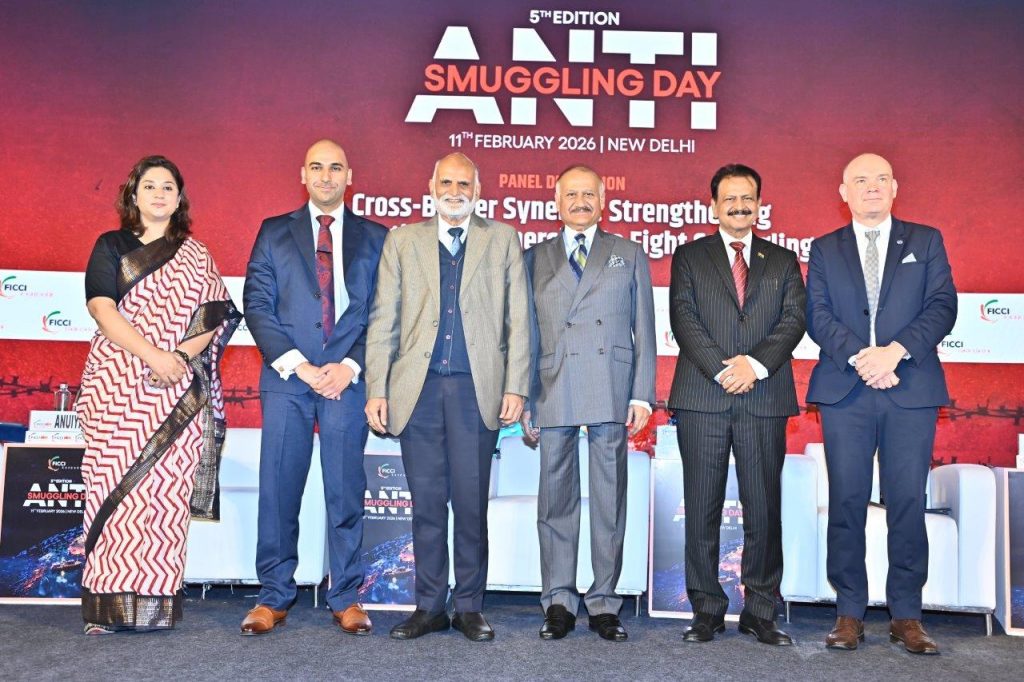
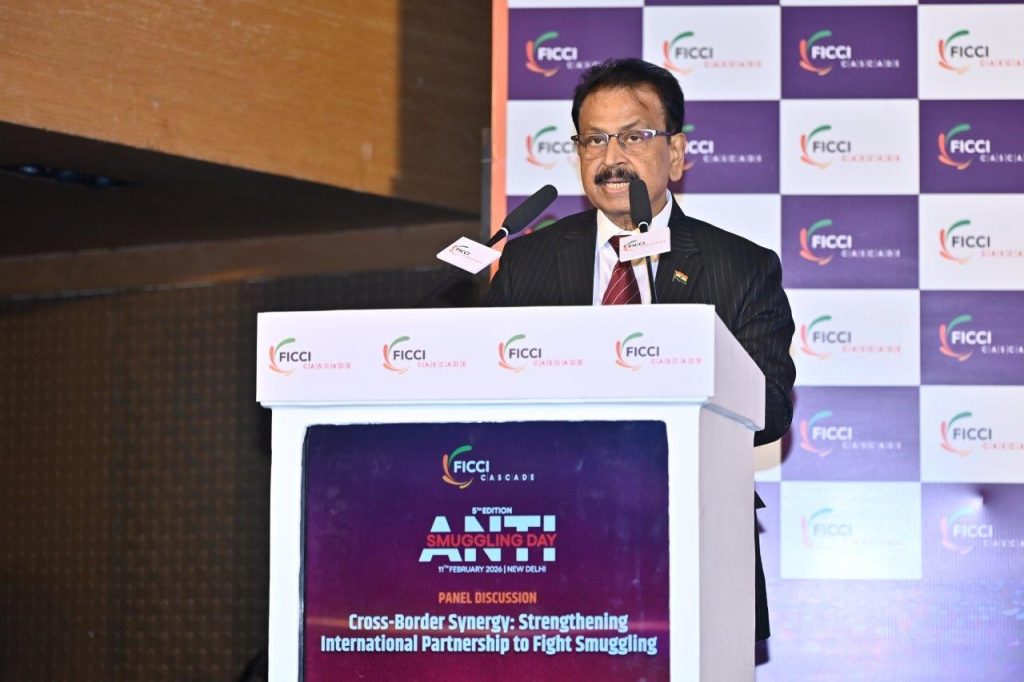
The deliberations continued with an engaging panel discussion titled “Cross-Border Synergy: Strengthening International Partnerships to Combat Smuggling,” which brought into focus the growing need for cohesive global action against increasingly sophisticated smuggling networks. The session explored how transnational cooperation, intelligence convergence, and policy alignment are critical to addressing the evolving dynamics of illicit trade.
Dr. D P Dash, Former Pr. Director-General, DRI, Former Chairman, Enforcement Committee, World Customs Organisation (WCO) and Think Tank Member, FICCI CASCADE observed that smuggling networks often exploit institutional and geographical divides to sustain their operations. He pointed out that enforcement agencies must counter this challenge with unity and strategic cohesion. Dr. Dash articulated that mutual trust, real-time intelligence sharing, and technology-driven collaboration are indispensable in combating the new and complex landscape of smuggling.
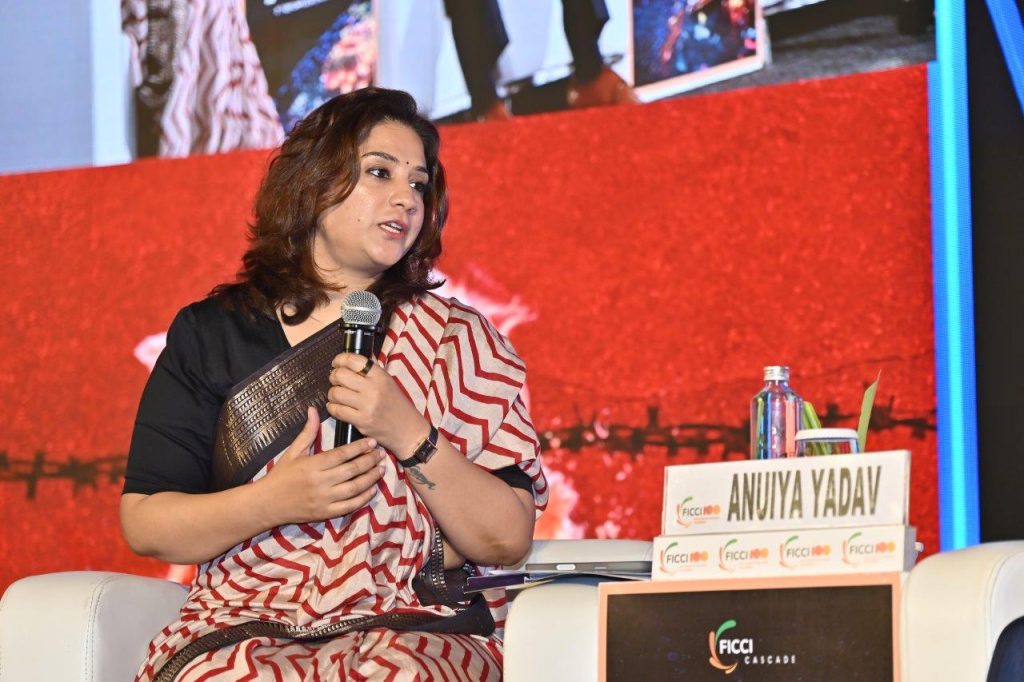
The session was adeptly moderated by Ms. Anuiya Yadav, Executive Editor, Times Network, who steered the discussion towards practical strategies for strengthening international enforcement framework.
Mr. Anil Sinha, Former Director, CBI & Think Tank Member, FICCI CASCADE shared his perspective on the growing role of social media in inadvertently normalising illicit products. He cautioned that when such content is glamorised online, it shapes public perception and indirectly fuels the demand that sustains smuggling networks. He stressed that greater public awareness and responsible digital engagement are essential components in the broader fight against illicit trade.
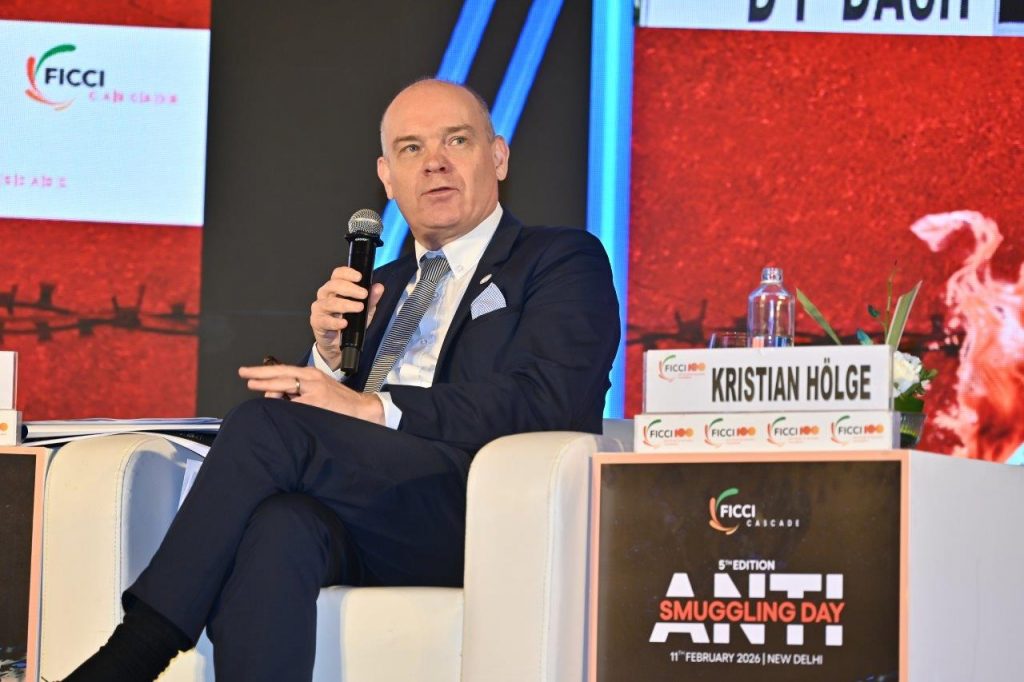
Mr. Kristian Hölge, Regional Representative, UNODC Regional Office for South Asia, mentioned hat smuggling today is a deeply transnational crime that no single country can combat in isolation. He noted that it requires strong and sustained partnerships linking law enforcement agencies, governments, and communities across borders. He further remarked that as modern smuggling networks exploit global trade routes and advanced technologies, enforcement responses must be equally sophisticated, anchored in coordination, intelligence-led operations, and technological innovation.
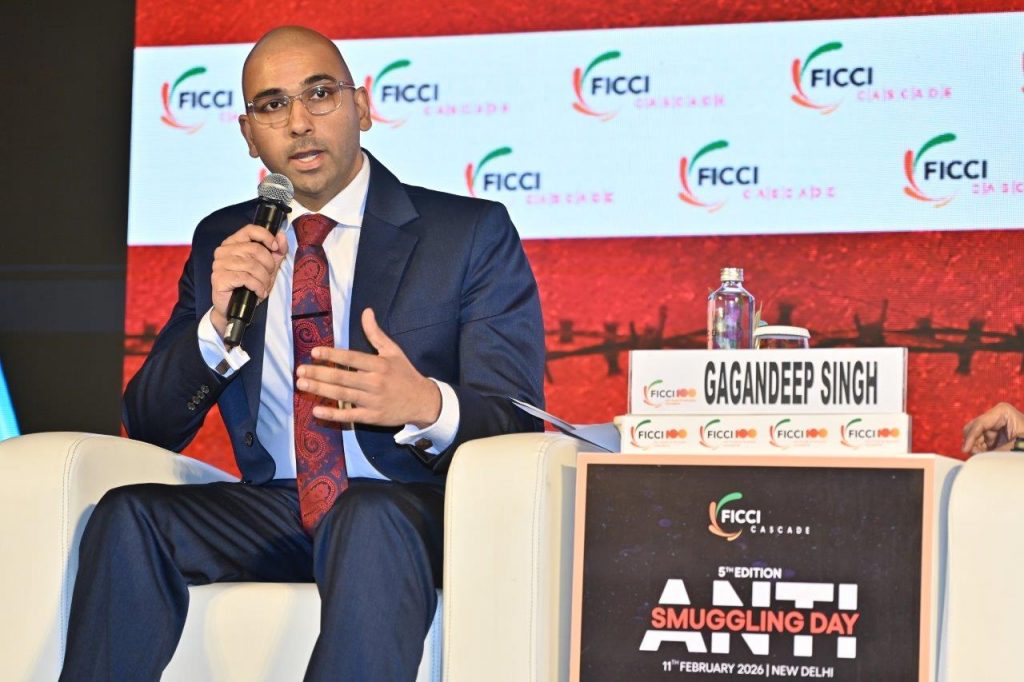
Mr. Gagandeep Singh, Regional CBP Attache, U.S. Customs and Border Protection, U.S. Embassy opined that multi-agency and multinational task forces are demonstrating how collaborative teamwork can outpace even the most organised and technologically adept smuggling syndicates. He emphasised that public–private partnerships are indispensable, as enforcement efforts alone are insufficient to curb the menace. By educating and actively engaging first points of contact in trade and travel ecosystems, he noted, agencies can significantly amplify their collective impact against illicit trade.
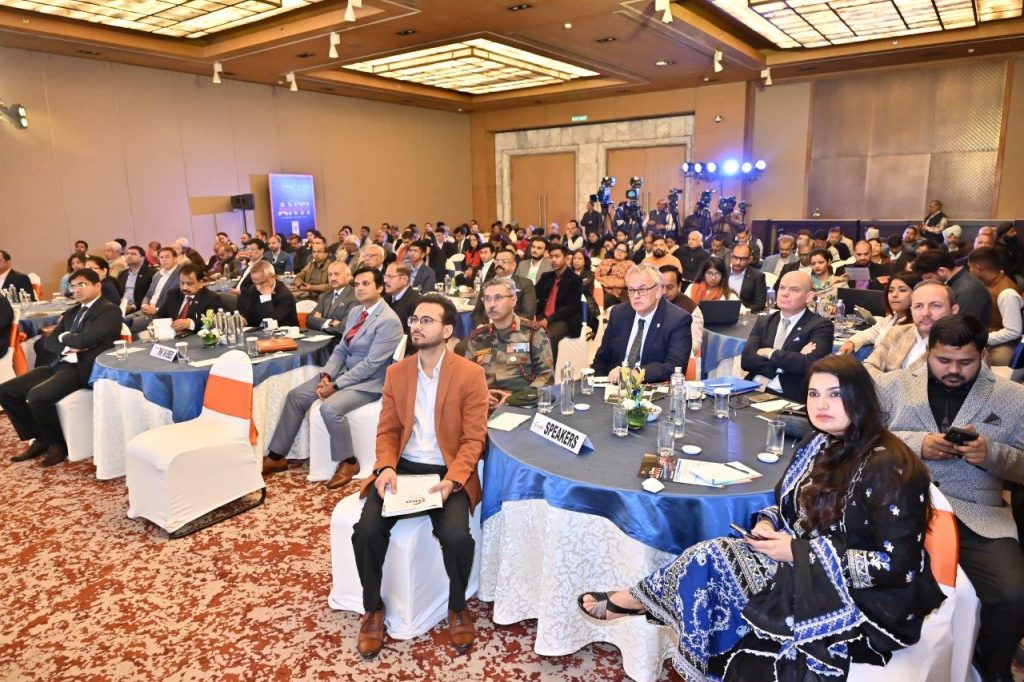
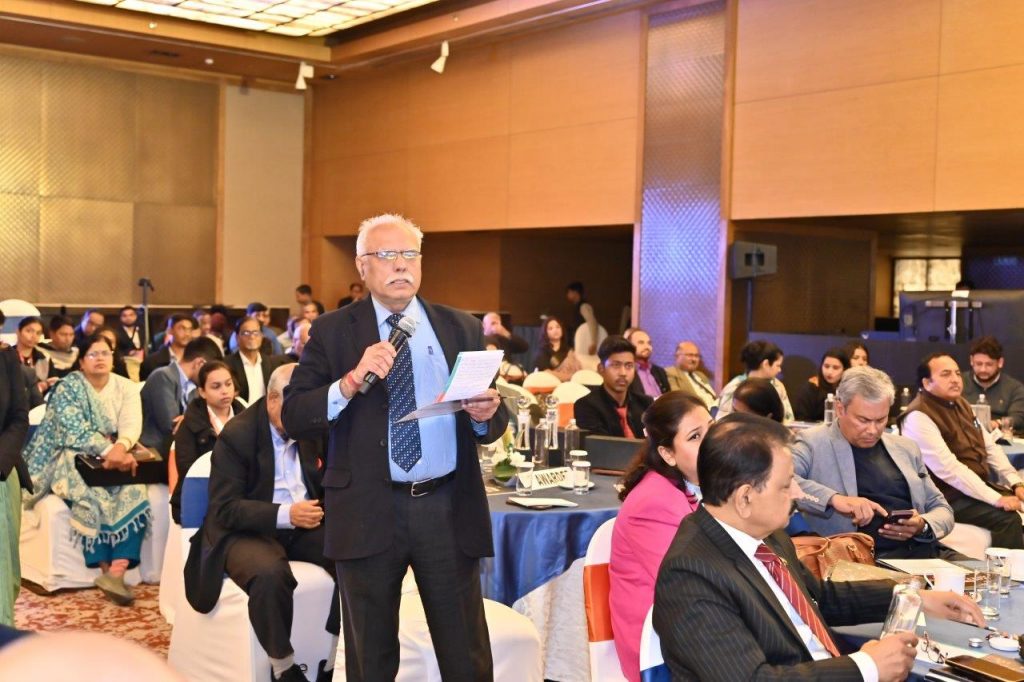
The conference witnessed an overwhelming response from more than 350 industry captains, representatives from consumer forums, enforcement agencies, government officials, legal experts, among others. The 5th Edition of Anti-Smuggling Day concluded with a renewed commitment from all stakeholders to strengthen coordinated action against illicit trade, reinforcing the need for sustained enforcement and global cooperation to safeguard the nation’s economy and security.
Media Coverage report Download Pdf