



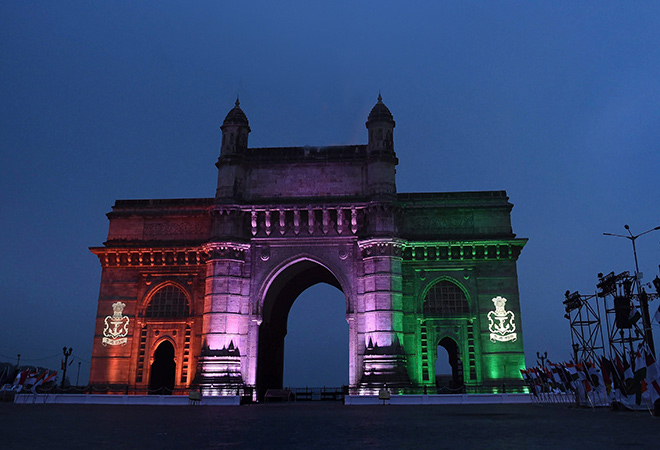
India’s coastal security: An assessment
Coastal preparedness is better than earlier — but the overall picture remains less than satisfactory. While the state of inter-agency coordination has improved, state governments continue to be indifferent to needs of coastal security, and the state-police still reluctant to shoulder responsibility.
The tenth anniversary of 26/11 is an apt occasion to review the state of India’s coastal security preparedness. In the aftermath of the attacks on Mumbai, the government made concerted efforts to improve coastal security infrastructure and law enforcement. In a radical overhaul of the coastal defence apparatus, a three-tier security grid was installed with the Indian Navy, the coast guard, and the marine police jointly patrolling India’s near-seas. An existing Coastal Security Scheme (originally instituted in 2005) was accelerated, with greater fund allocations for coastal infrastructure, including police stations and radar stations along India’s coastline. The enterprise included measures to improve ‘surveillance and domain awareness,’ through the installation of radar stations and identification systems), and the enhancement of coordination through Joint Operation Centres (JOCs).
A decade later, coastal preparedness is better than earlier, but the overall picture remains less than satisfactory. While the state of inter-agency coordination has improved, state governments continue to be indifferent to needs of coastal security, and the state-police still reluctant to shoulder responsibility. The real problem, observers point out, are systemic flaws in the policing apparatus. From low numbers of marine police stations, to the underutilisation of patrol boats for coastal tasks, absence of shore-based infrastructure, through to manpower shortages and unspent funds, coastal managers are yet to resolve many structural issues plaguing the system.
Regrettably, the proposal to set up an apex coastal authority remains frozen. India’s policymakers recognise the need for a full-time manager to coordinate the large number of agencies (over 15) in the coastal security space. Officials say that the National Committee for Strengthening Maritime and Coastal Security, which presently coordinates joint activities, is at best an ad hoc arrangement. Yet, parliament has not been able to clear the coastal security bill that would establish a National Maritime Authority (NMA).
https://www.orfonline.org/expert-speak/indias-coastal-security-an-assessment-45692/
Related Posts
Thane police seize imported cigarettes worth Rs 54.31 lakh, case registered against shop owner
Thane: The Thane crime branch unit 1 raided a store in Ulhasnagar and seized 2418...

Transcarpathian smugglers to be sent to fight in Donbas
Three smugglers caught red-handed will be sent to the military enlistment office...

held for selling tampered Fastrack watches at Charminar; Rs 1 cr worth goods seized
Hyderabad: The Hyderabad Police apprehended three persons for allegedly selling...
Revenue seizes tobacco products worth almost €1.4 million in Rosslare Europort
REVENUE officers seized tobacco products worth €1,396,000 in Rosslare Europort,...