


25th April 2026| ITC Grand Goa
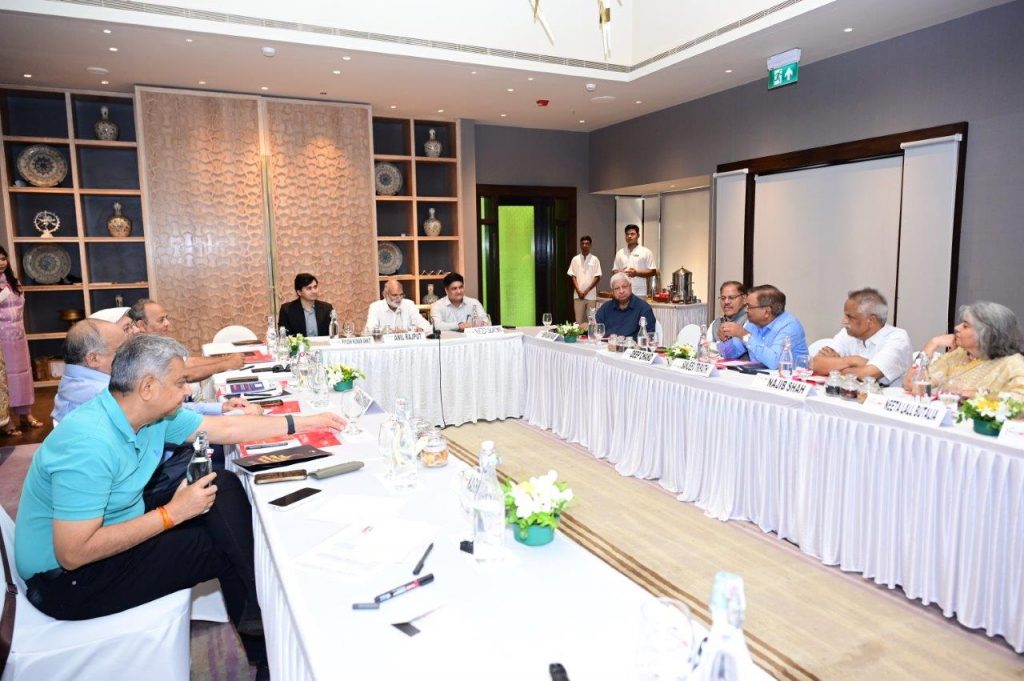
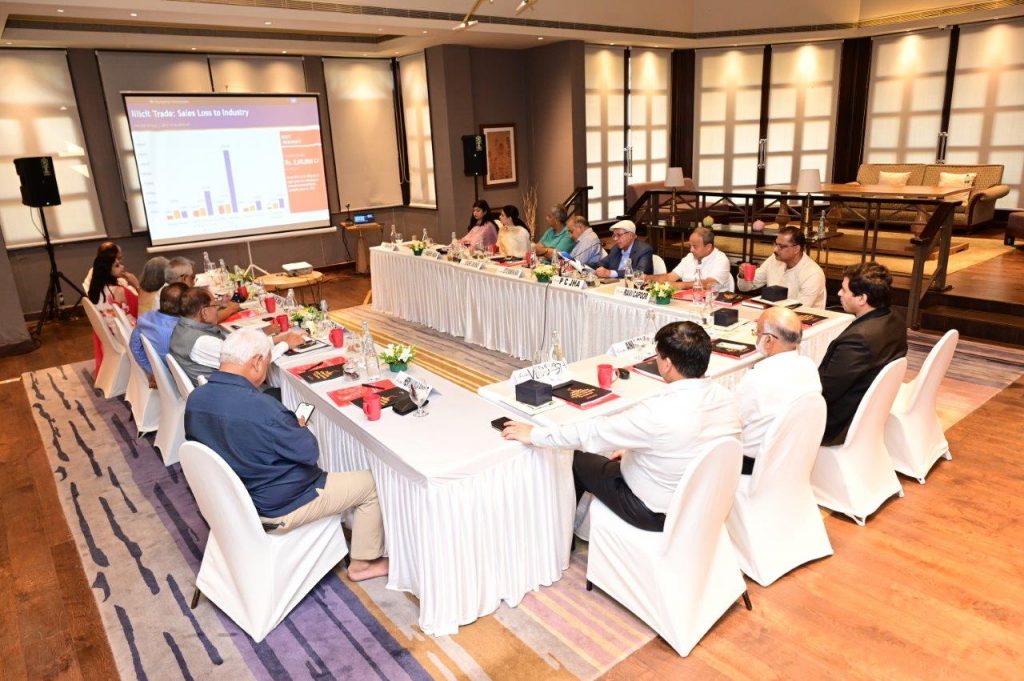
An Interactive Session on “Combating Illicit Trade: Strengthening Enforcement and Policy Responses” was organised by FICCI CASCADE on 25th April 2026 in Goa. The session aimed to deliberate on the growing scale of illicit trade in India, assess its multifaceted impact on the economy and society, and explore robust enforcement mechanisms and policy interventions to address this challenge.
During the session, Mr. Sidhartha Gautam, Partner and Lead Auto & IM Sector, Risk Advisory KPMG, delivered a presentation on the upcoming study, “Assessing the Impact of Illicit Trade,” which is scheduled to be released during MASCRADE in September 2026. The study covers eight sectors, namely Tobacco and Cigarettes; Alcohol and IMFL; Pharmaceuticals; Agrochemicals and Pesticides; FMCG and Packaged Foods; Digital Piracy and IP Theft; Petroleum and Fuel Adulteration; and Luxury Goods and Apparel.
The study will provide a comprehensive assessment of the scale and impact of illicit trade across these sectors and evaluate its adverse implications for the Indian economy. It will estimate revenue losses to the government, analyse broader economic and social consequences, and examine sector-wise patterns of illicit trade. The report will further identify structural and regulatory gaps, review prevailing enforcement trends, and highlight operational challenges faced by enforcement agencies. In addition, it will examine concerns relating to consumer safety, public health, and environmental risks arising from illicit trade, while offering actionable recommendations to strengthen policy frameworks, enhance inter-agency coordination, and leverage technology-driven enforcement solutions.
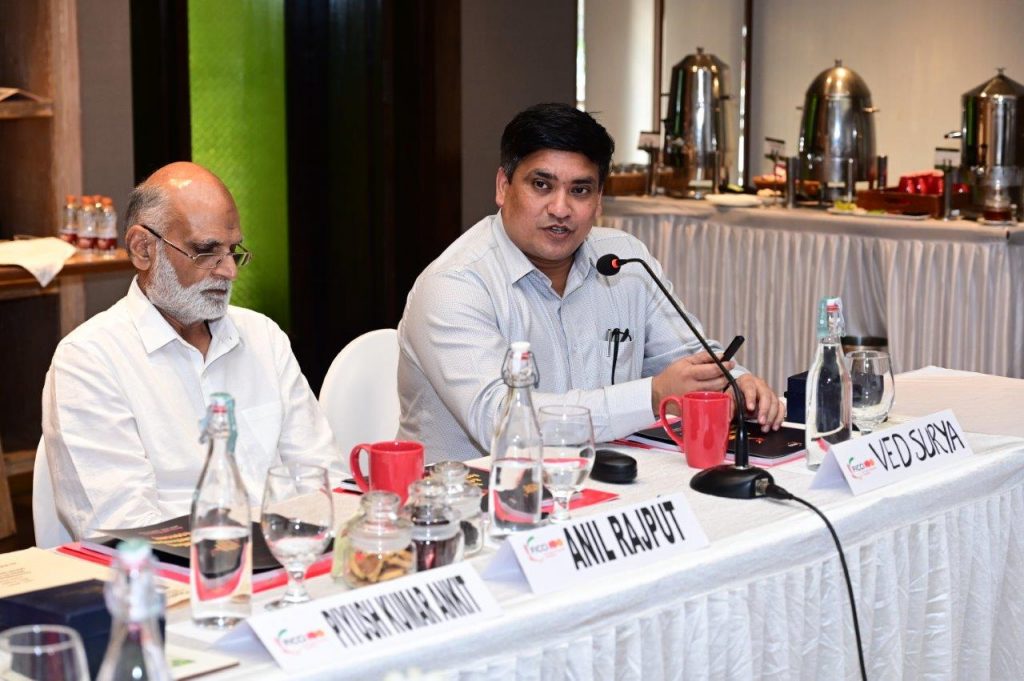
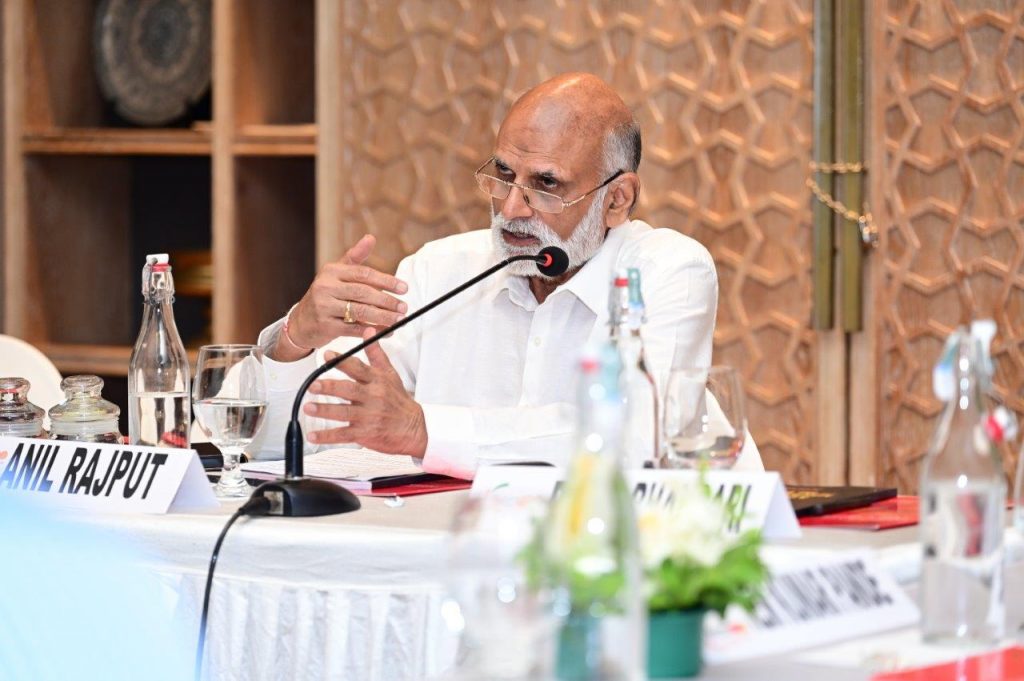
In his welcome address, Mr. Anil Rajput, Chairman, FICCI CASCADE stated that Illicit trade is not a new phenomenon, it has persisted for decades, driven by antisocial elements and arbitrage opportunities that can undermine a nation’s social and economic fabric if left unchecked. He observed that the issue has grown significantly in both scale and complexity, and its rapid expansion today is a matter of serious concern. He recalled that when FICCI CASCADE was established in 2011, illicit trade received limited attention. However, with India’s rapid economic growth, increasing purchasing power, and rising demand for branded goods, the environment has become increasingly vulnerable to smuggling and counterfeiting activities.
Referring to estimates by Global Financial Integrity, he noted that illicit trade is now valued at nearly US$ 3 trillion globally. In India, the size of illicit trade across key sectors has reportedly increased from around Rs. 1 lakh crore to nearly Rs. 8 lakh crore over the past decade. Despite sustained enforcement efforts, only about 3% of illicit goods are intercepted, underscoring the magnitude of the challenge. He emphasised that stronger policy interventions, robust enforcement, and collaborative action are essential to effectively curb illicit trade.
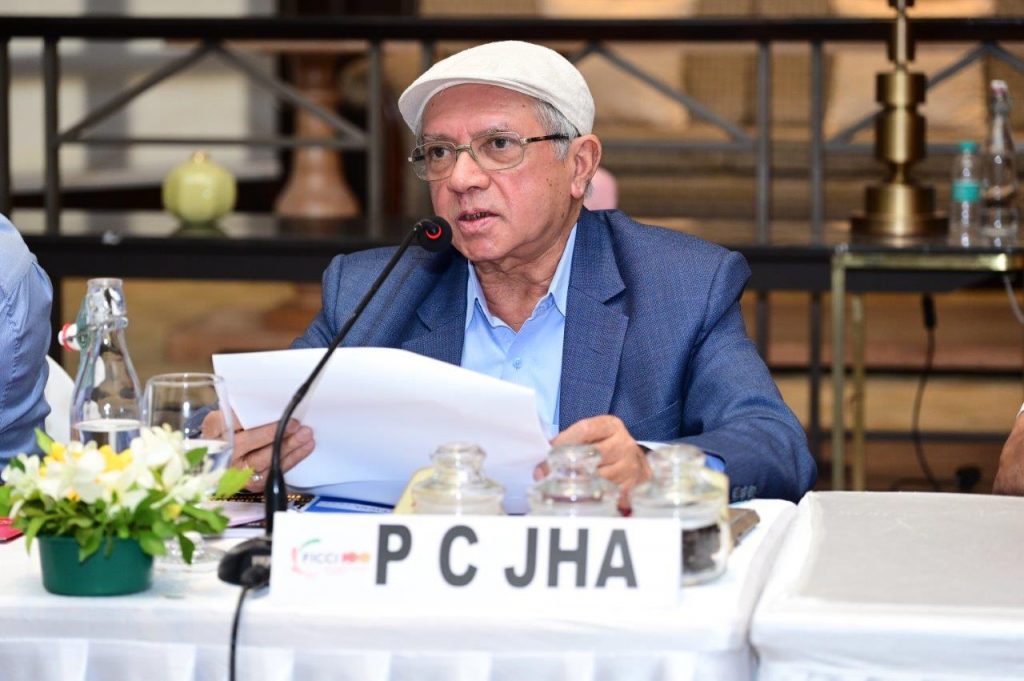
Mr. P. C. Jha, Advisor, FICCI CASCADE and Former Chairman of Central Board of Indirect Taxes and Customs, shared insights on “Understanding the Expanding Landscape of Illicit Trade: Economic and Social Implications.” He observed that illicit trade poses a significant threat to India’s fiscal framework by depriving the government of critical revenues essential for nation-building. He highlighted that smuggling and counterfeiting distort fair market competition, erode the tax base, and impede the growth of the formal economy. Stressing India’s aspiration of becoming a US$ 5 trillion economy, he emphasised the urgent need to strengthen compliance mechanisms, reinforce enforcement systems, and effectively address revenue leakages.
Following the presentation, a focused dialogue on “Policy, Enforcement and Industry Perspectives on Tackling Smuggling and Counterfeiting” was convened, bringing together key stakeholders for meaningful deliberations. The session was graced by eminent dignitaries, including Mr. Ved Prakash Surya, Deputy Inspector General of Police, Goa; Mr. Piyush Ankit, Joint Commissioner of Customs, Goa; and Mr. Gurudas Kadam, Superintendent of Police, Goa, who shared valuable insights from enforcement and regulatory perspectives.
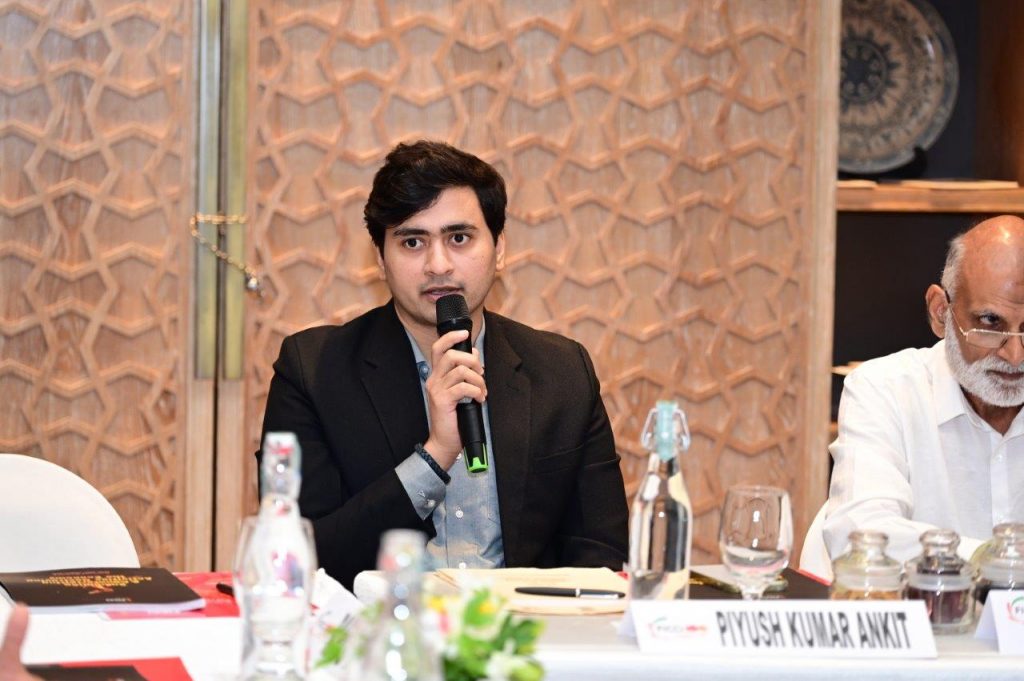
Mr. Piyush Ankit, Joint Commissioner of Customs, Goa, highlighted that customs authorities are actively monitoring all major entry points and frontiers in the state. He noted that evolving policy measures have significantly influenced smuggling patterns, particularly following the reduction in customs duty on gold from 15% to 6%, which altered traditional smuggling dynamics. He further pointed out that increasing demand for products such as e-cigarettes, along with price differentials in certain commodities and narcotic substances, continues to create arbitrage opportunities for illicit trade.
Drawing attention to emerging trends, he referred the growing prevalence of hydroponic cannabis, citing a recent seizure of approximately 33 kg valued at around Rs. 11 crores in Goa.
He also noted a shift in smuggling methods, with narcotics increasingly being routed through cargo imports and multi-transit channels to evade detection. Emphasising the need for collective action, he stressed that a coordinated approach among enforcement agencies is essential to effectively tackle the evolving challenges posed by smuggling and illicit trade.
Mr. Ved Prakash Surya, Deputy Inspector General of Police, Goa, highlighted the critical frontline role played by the police in detecting, investigating, and dismantling illicit networks operating across state and international borders. He underscored the importance of strengthening intelligence-sharing mechanisms and fostering closer coordination among enforcement agencies to effectively respond to the increasingly sophisticated nature of such crimes.
Mr. Gurudas Kadam, Superintendent of Police, Goa stated that the Goa police is taking proactive and prompt action to curb the smuggling of e-cigarettes and narcotic substances and remain committed to addressing such offences with utmost urgency and effectiveness.
Mr. Najib Shah, Former Chairman, Central Board of Indirect Taxes and Customs and Think Tank Member, FICCI CASCADE mentioned that the growing consumer inclination towards counterfeit goods is largely driven by their lower prices, while many consumers fail to recognise the serious consequences associated with smuggled and fake products. He emphasised that addressing this issue requires a concerted national effort with active participation from all sections of society.
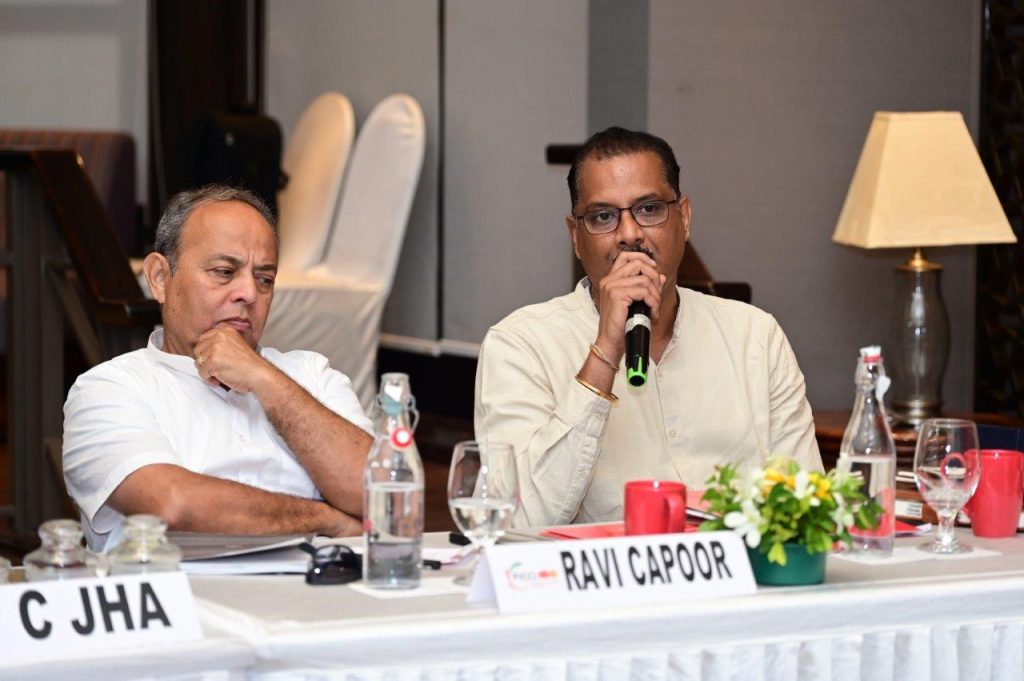
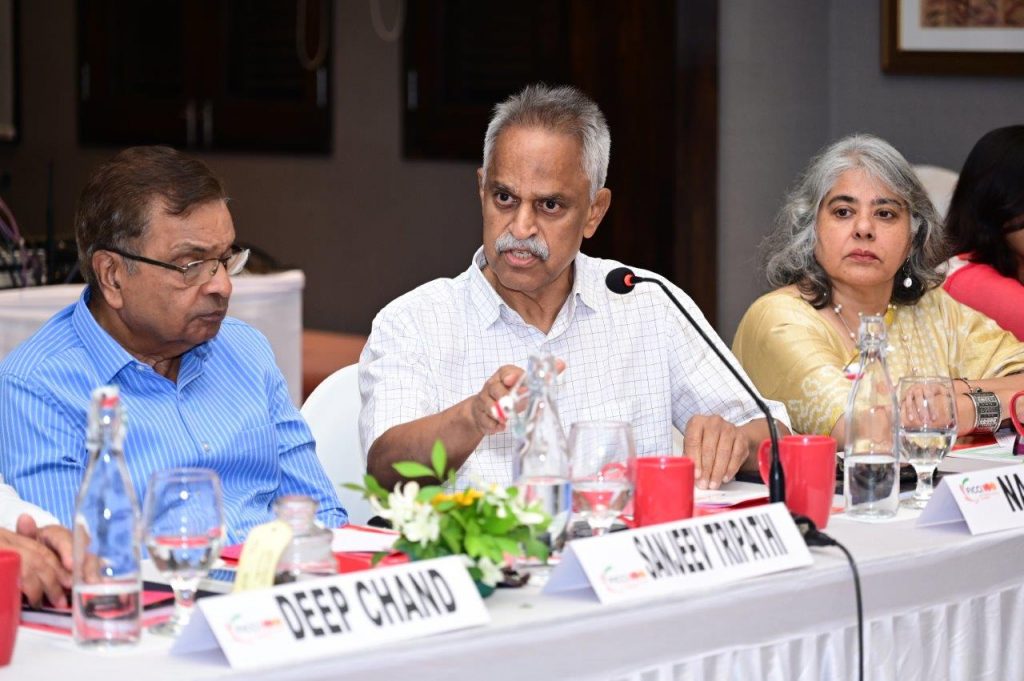
The session witnessed the presence of distinguished Think Tank Members of FICCI CASCADE including Mr. Hem Kumar Pande, Former Secretary, Ministry of Consumer Affairs, Food and Public Distribution, Government of India; Mr. Sanjeev Tripathi, Former Chief, Research and Analysis Wing (RAW); Mr. Justice Manmohan Sarin, Former Chief Justice, Former Lokayukta, NCT of Delhi, Chief Justice, High Court of Jammu & Kashmir & Judge, Hight Court of India; Mr. Suvashis Choudhary, Former Joint Commissioner & Chief Security Commissioner, Delhi Metro Rail Corporation, Delhi; Mr. Ravi Capoor, Former Secretary, Ministry of Textiles & CEO, Sansad TV; Ms. Neeta Lall Butalia, Former Director General, DGHRD & Principal Director General, NACIN and Mr. Deep Chand, Former Special Commissioner of Police, New Delhi & Advisor, FICCI CASCADE.
The Think Tank Members also shared their perspectives on the evolving challenges of illicit trade, highlighting the need for stronger policy enforcement, greater institutional coordination, and sustained public awareness to effectively combat illicit trade and safeguard economic and societal interests.