



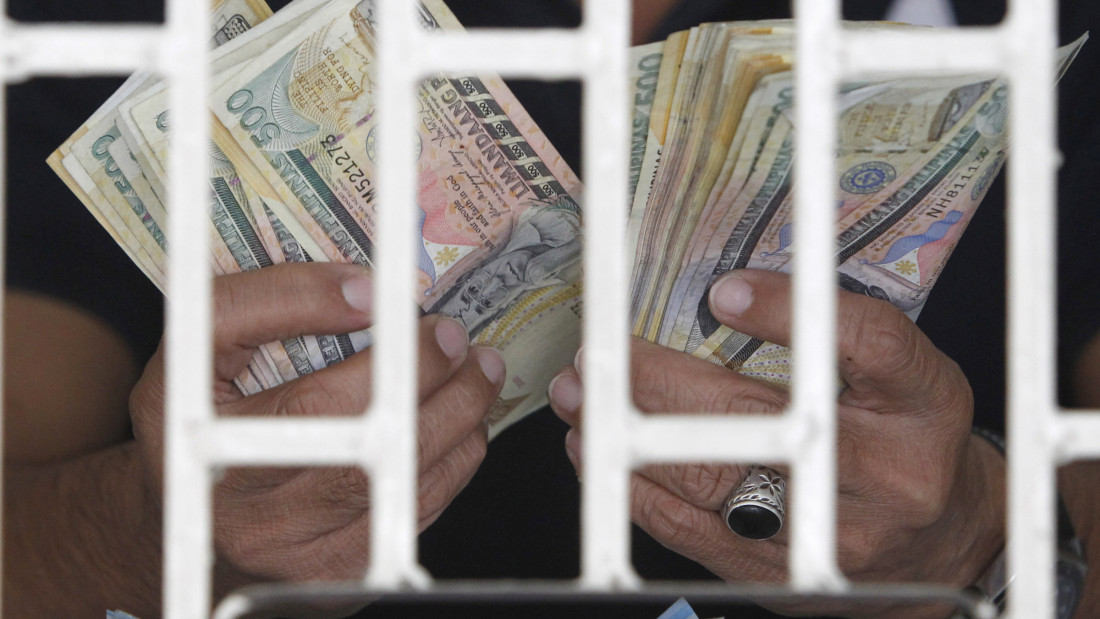
Smuggling cost the Philippines $3 billion in 2011
Illicit capital flows into and out of the Philippines are sapping billions from the real economy, perpetuating corruption, depriving the government of tax revenue, and hurting growth, according to a report by Global Financial Integrity (GFI), a non-profit group. Most of this money-laundering is facilitated through what’s known as fake trade invoicing, which allows exporters and importers to avoid paying taxes on traded goods. Exporters declare only a fraction of their actual sales to the Philippines customs authority, and hold the payment for the remainder in an offshore bank account to dodge taxes. Importers, meanwhile, underreport the amount they’re bringing into the country, smuggling the rest in effectively duty-free. Understated imports—or, in more everyday language, smuggling—account for most of the fake invoicing, or $2.97 billion; undeclared exports added another $880 million.
http://qz.com/173219/smuggling-cost-the-philippines-3-billion-in-2011/
Related Posts
$1.6 million in illegal cigarettes seized.
Over $1.6 million of illegal tobacco has been seized and taken off the streets by...

Customs seized goods worth Rs6b over last six months
KARACHI: The Directorate of Customs Intelligence seized a variety of smuggled...
Smuggling, corruption, high costs, lack of government support have destroyed Guyana’s manufacturing
There are several factors that contributed to the demise of Guyana’s once...
Customs dept seized drugs worth ₹75 crore, smuggled gold of ₹42 crore in Jan
The anti-smuggling department seized around 81 kilograms of smuggled gold worth...