



Focus State: Phillaur, Punjab
Date: 12th June 2026
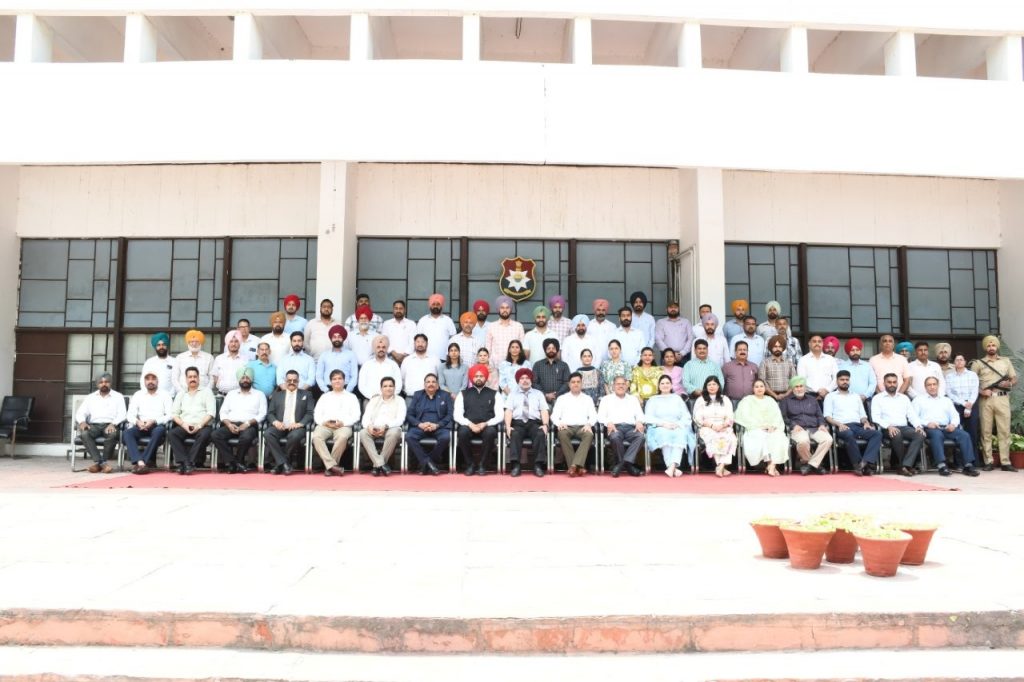
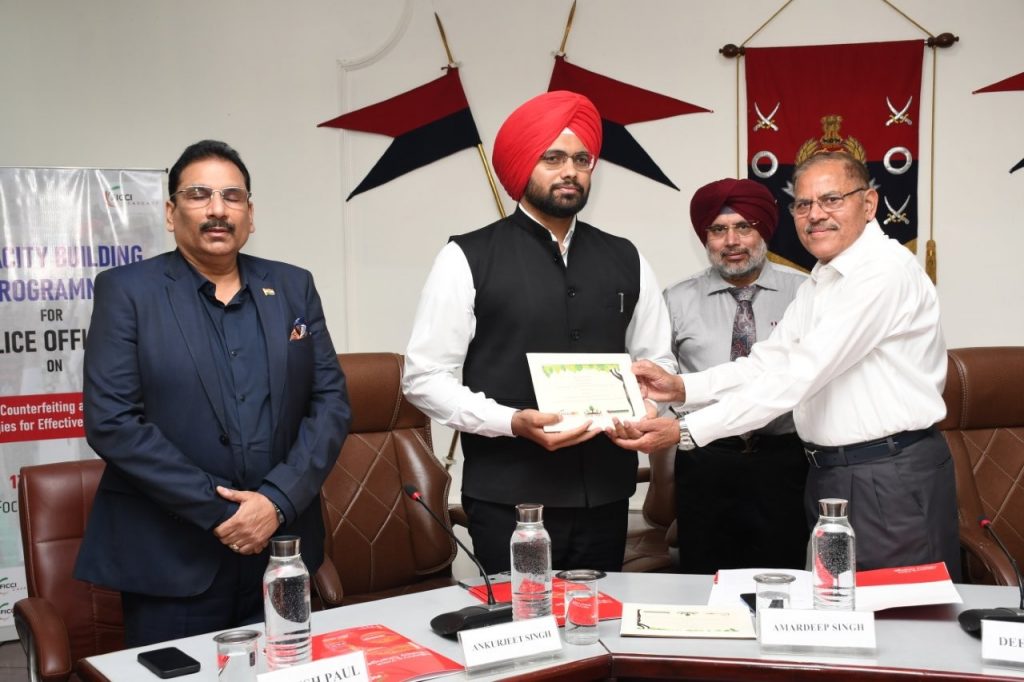
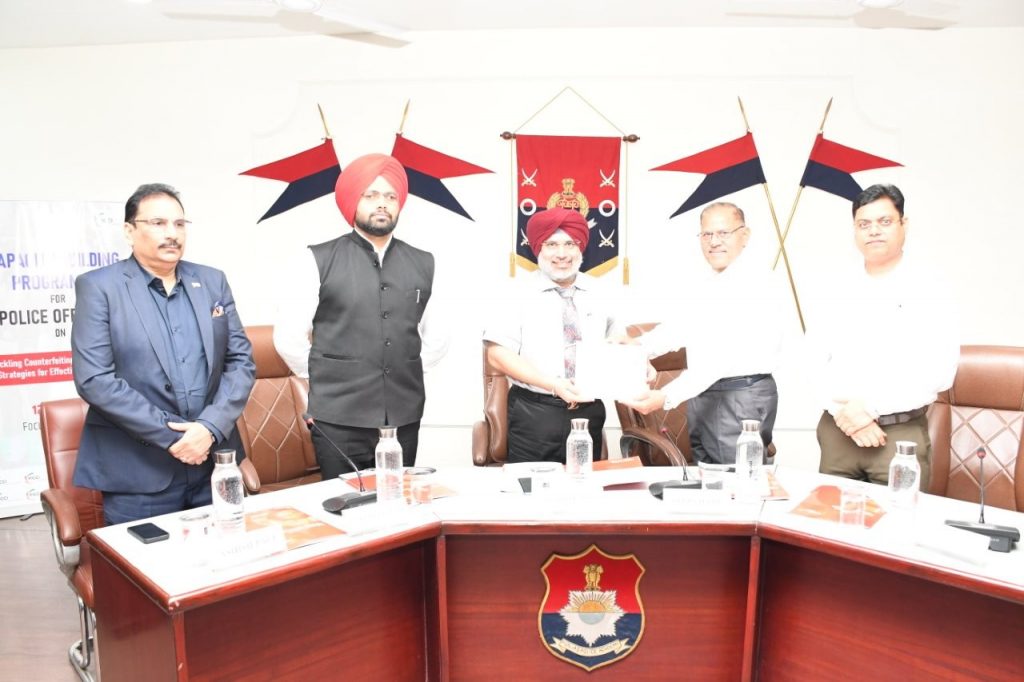
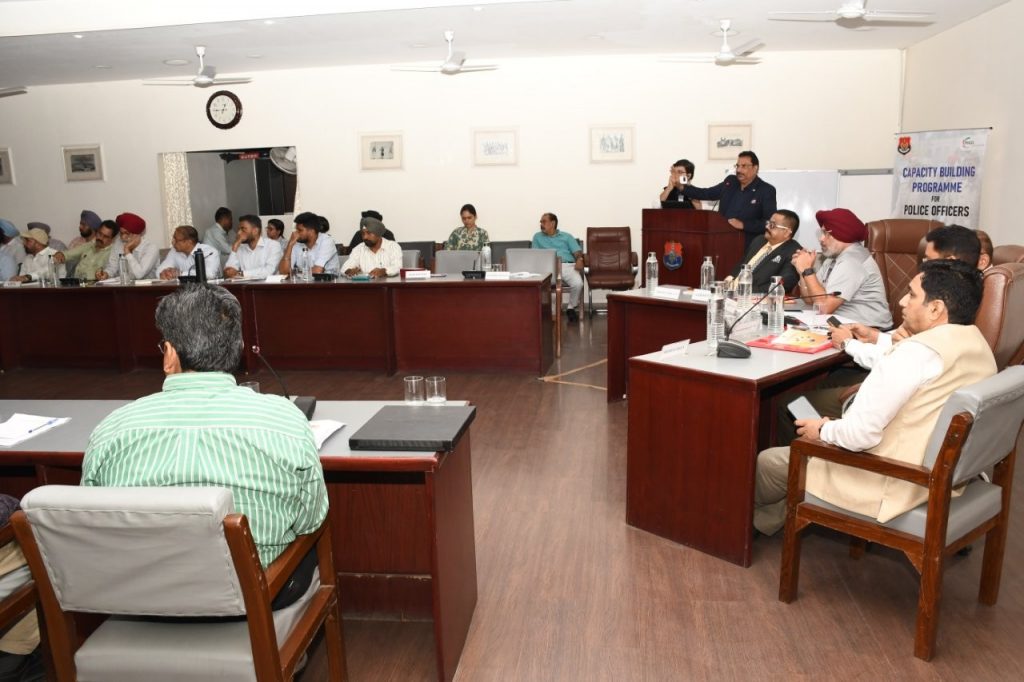
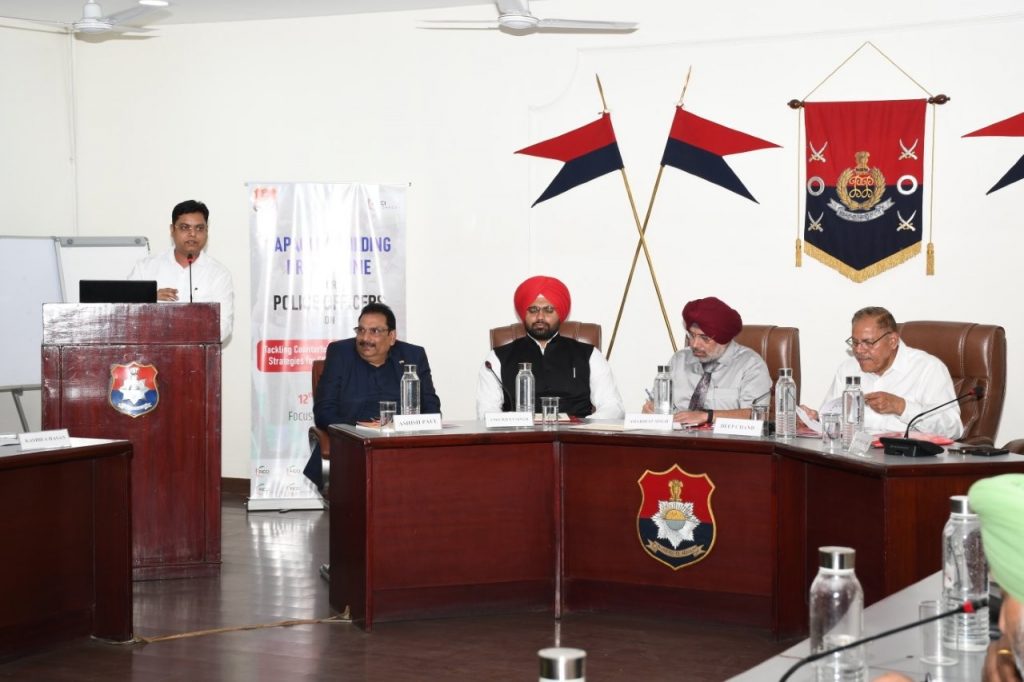
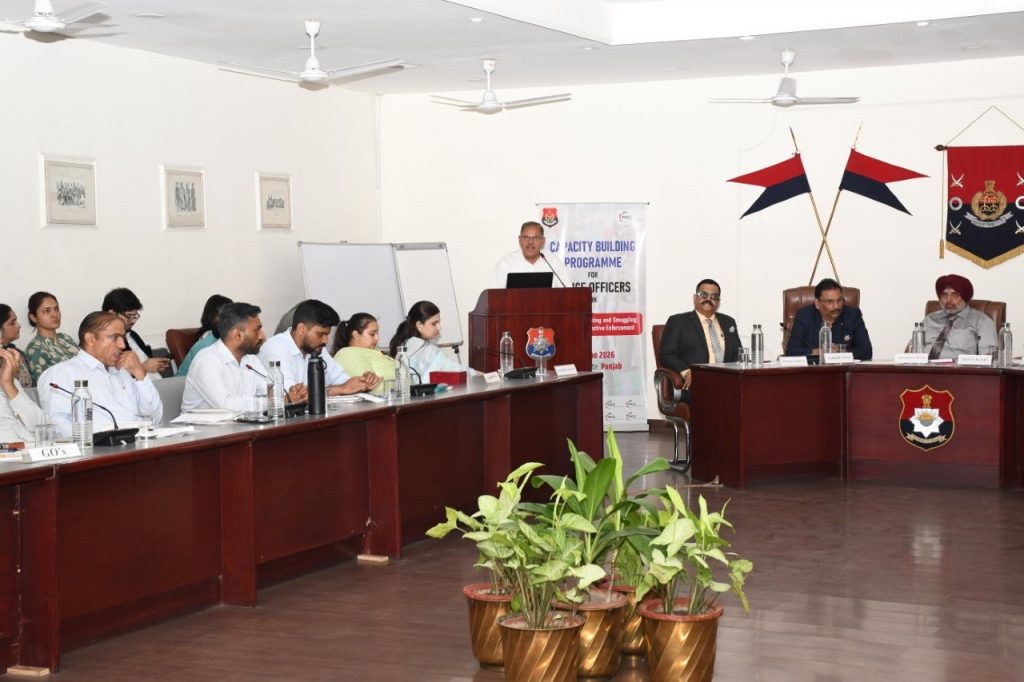
FICCI CASCADE organised a Capacity Building Programme for Police Officers on “Tackling Counterfeiting and Smuggling: Strategies for Effective Enforcement” on 12 June 2026 at Phillaur, Punjab. The programme was designed to enhance awareness among police officers on the growing challenges posed by counterfeiting and smuggling and to strengthen enforcement capabilities through knowledge-sharing and capacity building.
The programme reflected a collective commitment towards fostering a safer, more transparent, and resilient marketplace by equipping law enforcement personnel with the knowledge and tools required to address the evolving threats of illicit trade. The programme underscored the importance of strengthening institutional preparedness and reinforcing enforcement mechanisms to effectively combat increasingly sophisticated smuggling and counterfeiting networks.
Mr. Amardeep Singh Rai, IPS, Special Director General of Police, Punjab, graced the occasion as the Chief Guest. In his address, he emphasised that illicit trade has emerged as a serious and multifaceted challenge with far-reaching economic and social consequences. He observed that counterfeiting and smuggling not only erode government revenues and undermine legitimate businesses but also pose significant risks to consumer safety and contribute to the growth of organised criminal networks. He highlighted the need for robust enforcement, continuous capacity building, and enhanced coordination among government agencies, law enforcement authorities, and industry stakeholders to effectively tackle these challenges.
Mr. Mohammed Tayyab, IAS, Secretary, Jails Department, Government of Punjab, highlighted the critical importance of institutional preparedness in combating economic offences. He noted that as illicit trade networks become increasingly sophisticated and technologically advanced, enforcement agencies must continuously upgrade their knowledge, skills, and investigative capabilities. He stressed that capacity-building initiatives play a vital role in enhancing the effectiveness of enforcement agencies and strengthening the overall response to illicit trade.
Mr. Ankurjeet Singh, IAS, Additional Secretary, Home Affairs, Government of Punjab, observed that illicit trade is not merely an economic issue but a significant public welfare concern. He noted that smuggled goods, counterfeit medicines, food products and other illicit consumer goods pose serious risks to public health and safety, erode consumer confidence and adversely affect societal well-being. He emphasized that effectively addressing these challenges requires stronger enforcement, enhanced public awareness and sustained coordination among all stakeholders.
Mr. Deep Chand, Advisor, FICCI CASCADE, presented an overview of the economic and social consequences of counterfeiting and smuggling. He highlighted that the impact of illicit trade extends far beyond revenue loss. According to estimates, smuggling across key sectors causes losses exceeding Rs. 1.17 lakh crore to the Indian economy and adversely affects more than 16 lakh livelihood opportunities, thereby hindering inclusive economic growth. He emphasized that as India progresses towards becoming one of the world’s leading economies, curbing illicit trade must remain a national priority. Achieving this objective will require stronger enforcement, enhanced institutional capacity, sustained awareness generation, and greater collaboration among government, industry, media, consumers and enforcement agencies.
Mr. Ashish Paul, Vice President – Corporate Affairs, ITC Ltd., accentuated that curbing illicit trade requires collective responsibility and coordinated action. He stated that government agencies, enforcement authorities, industry, citizens and security institutions all have a critical role to play in strengthening compliance, enhancing awareness and building a robust ecosystem to combat counterfeiting and smuggling. He further mentioned that only through sustained collaboration and a shared commitment can we create a lasting impact in addressing the menace of illicit trade.
Dr. Rishi Kulshresth, Advocate, High Court of Delhi, stated that combating illicit trade requires more than seizure operations. It demands robust legal scrutiny, timely enforcement action, effective search and seizure mechanisms, and rigorous verification of documentation to protect legitimate industry and curb counterfeiting and smuggling at their source.
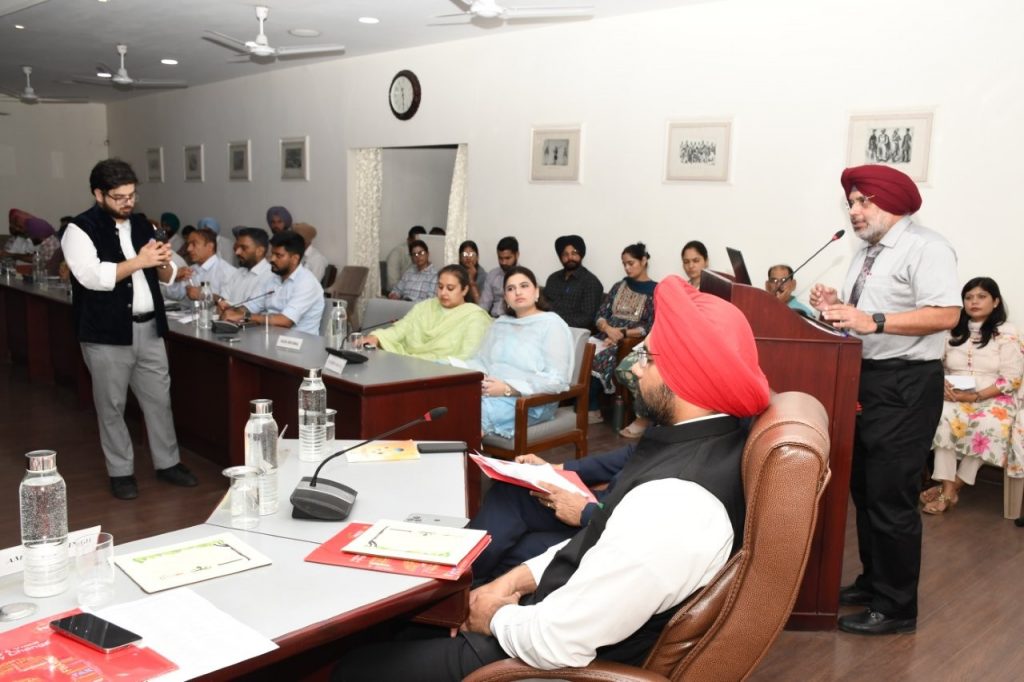
The technical sessions examined the economic and social impact of counterfeiting and smuggling, their links with organised crime, and the legal framework for enforcement. The discussions also highlighted the importance of industry-enforcement collaboration, intelligence-sharing, brand protection, consumer awareness, and coordinated action to combat illicit trade.
The programme brought together senior government officials, police officers, industry representatives, and legal experts on a common platform to exchange experiences, discuss enforcement challenges, and explore best practices for combating illicit trade. The deliberations reinforced the need for a collaborative approach to safeguard legitimate businesses, protect consumers, and strengthen India’s fight against counterfeiting and smuggling.
Media Coverage report Download Pdf